
How Many Bush Beans Per Square Foot? (Square Foot Gardening Guide)

Grab Your FREE -> How to Grow 5 Powerful Healing Herbs in Your Own Backyard — Even If You’ve Never Grown a Plant Before!
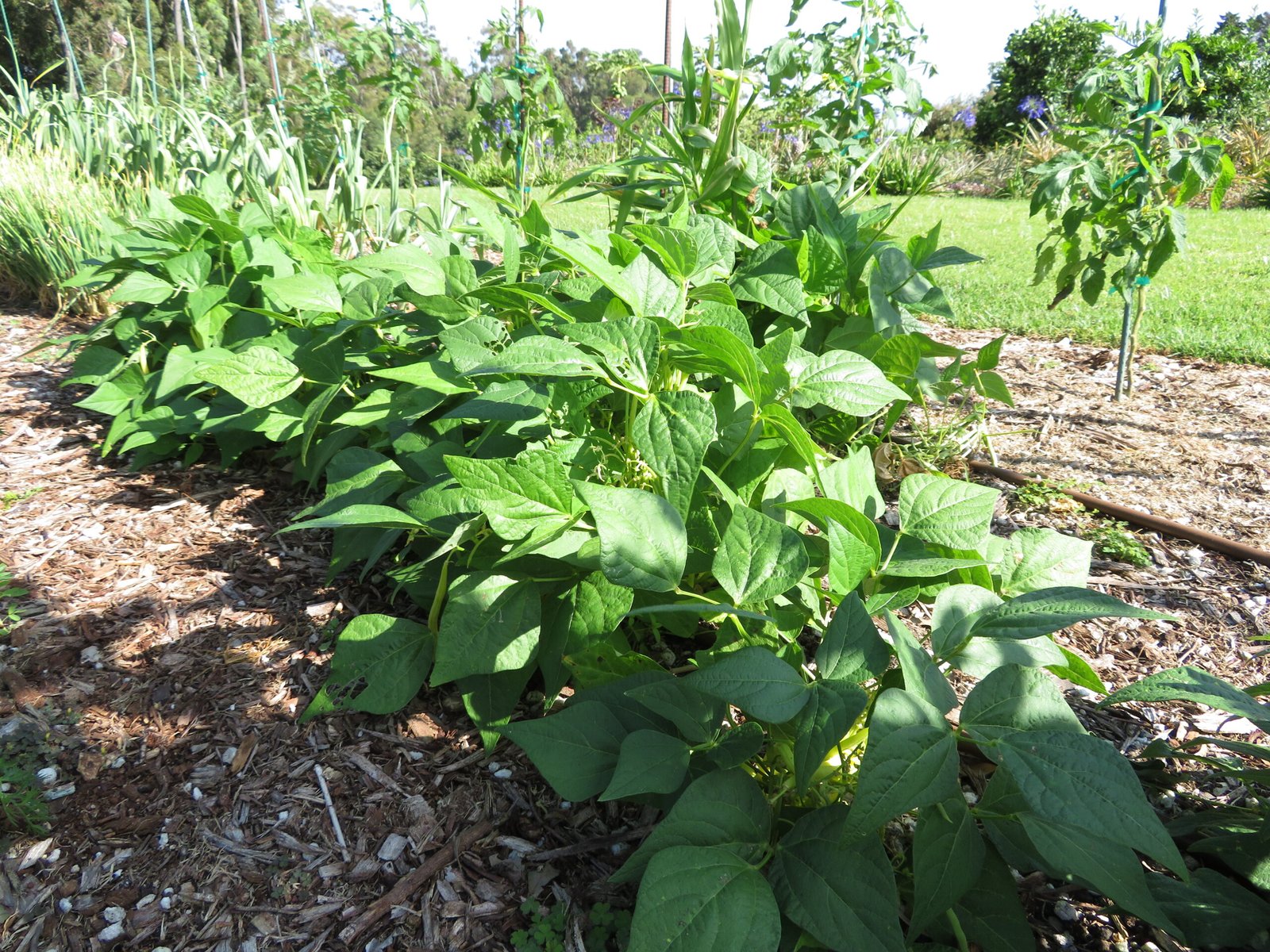
Bush beans are one of the easiest and most rewarding vegetables to grow. It’s good like this, simple to plant, quick to harvest, and productive all season.
However, if you plant them too close together, you might stunt growth or invite disease. How many bush beans per square foot, especially in square foot gardening, where every inch counts?
In square foot gardening, plant nine bush beans per square foot, spaced about 4 inches apart in a 3×3 grid. This allows for proper airflow, light, and root space for healthy growth.
Keep reading to learn how to prepare the soil, maximize yield, and avoid common mistakes when planting bush beans in a small garden space.
The Basics of Square Foot Gardening for Bush Beans
Square foot gardening is all about maximizing small spaces efficiently. Instead of long rows, you divide your garden bed into 1-foot squares, each with its own crop spacing pattern.
Bush beans fit perfectly into this method because they:
- Grow upright and compact (unlike pole beans).
- Don’t require trellises.
- Mature quickly, usually within 50–60 days.
- Enrich the soil with nitrogen, helping nearby plants.
How Many Bush Beans Per Square Foot (and Why It Matters)
Ideal Spacing 9 Per Square Foot
For bush beans, the perfect layout is nine plants per square foot, arranged evenly in a 3×3 grid. This gives each plant about 4 inches of space on all sides.
Tip: Avoid overcrowding; too many plants will lead to smaller pods and increased risk of fungal issues.
Why it works:
- Bush beans are compact and don’t need trellising.
- The spacing allows for good airflow, reducing mold and rust.
- Roots have enough room to spread without competing for nutrients.

- Plump, tender pods that are 5-6″ long, with excellent flavor, fresh or Frozen
- Each packet contains 2 oz. Of seed
- Sow outdoors 4 weeks after the average last frost date and harvest in 58 days
Soil Preparation for Healthy Bush Beans
Bush beans love loose, well-draining soil that’s rich in organic matter. Heavy or compacted soil limits root growth and reduces yield.
What to do before planting:
- Loosen soil 6–8 inches deep.
- Mix in compost or aged manure for nitrogen.
- Avoid using high-nitrogen fertilizers; they encourage leaves, not pods.
Watering and Care in Tight Spaces
Bush beans grown in square-foot gardens need consistent but not excessive moisture. Overwatering can cause root rot and limit pod production.
Tips for watering:
- Water deeply 2–3 times per week.
- Use mulch to retain moisture and prevent weeds.
- Avoid wetting the leaves directly to prevent fungal issues.
Companion Planting for Better Yield
Bush beans grow best alongside certain vegetables that don’t compete for nutrients.
Best companions:
Avoid planting near:
These all release sulfur compounds that stunt bean growth.
How to Plant Bush Beans in a Square Foot Garden
Let’s break it down step-by-step.
Choose the Right Variety
Look for compact or dwarf bush bean varieties ideal for small gardens, such as:
- ‘Provider’
- ‘Contender’
- ‘Blue Lake 274’
- ‘Tendergreen’
These stay short, produce quickly, and don’t need staking.
Prepare the Soil
Bush beans thrive in loose, fertile soil that drains well.
Ideal soil conditions:
- pH: 6.0–6.8
- Texture: Loamy and crumbly
- Enriched with compost (not too much nitrogen fertilizer, it’ll cause lush leaves but fewer beans)
Before planting, mix compost or aged manure into the top 6 inches of soil.
Plant the Seeds
- Mark off a 1×1-foot square.
- Create nine holes in a 3×3 grid, about 1.5–2 inches apart.
- Drop one seed in each hole, 1 inch deep.
- Cover lightly with soil and water gently.
Germination time: 7–10 days at 70–80°F (21–27°C).
💡 Pro tip: Avoid starting beans indoors they dislike transplanting. Always direct sow.
Water and Mulch
Keep soil evenly moist during germination. Once plants sprout, water deeply once or twice a week, depending on the heat.
Add a thin layer of straw or compost mulch to retain moisture and suppress weeds.
Maintain and Thin if Needed
If two seeds germinate too close together, thin them to maintain that 4-inch spacing.
Healthy airflow = healthy beans.
Harvest on Time
Bush beans mature fast, about 50–60 days after planting.
- Pick pods when they’re firm, smooth, and about 4–6 inches long.
- Harvest regularly to encourage continuous production.
💡 Pro tip: Use scissors instead of pulling to avoid damaging the plant.
Fertilizing Bush Beans
Bush beans are light feeders; too much fertilizer can actually reduce yields.
Use compost or organic fertilizer instead of high-nitrogen products.
A good rule:
- Apply compost before planting.
- Side-dress with compost tea halfway through the season if needed.
Common Mistakes When Growing Bush Beans
Avoid these pitfalls that reduce harvests:
- Overcrowding leads to poor air circulation and disease.
- Overwatering causes root rot.
- Using too much nitrogen leads to lots of leaves, few pods.
- Planting too early in cold soil slows germination or causes seeds to rot.
- Ignoring pests, watch for aphids, beetles, and spider mites.
When to Plant Bush Beans
- Spring: After the last frost, when the soil is at least 60°F (15°C).
- Summer succession: Plant every 2–3 weeks until midsummer for continuous harvests.
- Fall crop: In mild climates, plant about 8 weeks before the first frost.
How to Pick Bush Beans
- Harvest pods every 2–3 days.
- Pick when pods are full, but seeds inside are not bulging.
- Handle gently to avoid damaging stems.
💡 Pro tip: Frequent harvesting encourages plants to produce longer.
Troubleshooting – Poor Bean Growth or No Pods?
Too Much Nitrogen
If you’re getting lush leaves but no beans, your soil might have excess nitrogen. Switch to a balanced or low-nitrogen fertilizer.
Temperature Stress
Extreme heat above 90°F (32°C) or cold below 55°F (13°C) can stop bean production. Provide shade cloth in summer or plant earlier/later in the season.
Poor Pollination
Beans are self-pollinating, but rainy weather or high humidity can affect pod formation. Gently shake plants or attract pollinators to improve yields.
F.A.Q
1. How many bush beans should I plant for a family of four?
Plant about 12–16 plants per person for fresh eating. Double that if you want to freeze or can them.
2. Can I mix bush and pole beans in the same garden bed?
Yes, but keep them separate. Pole beans will shade out bush types.
3. How deep should raised beds be for bush beans?
At least 6–8 inches deep is perfect.
4. Should I soak bush bean seeds before planting?
Optional soaking for 4–6 hours can speed germination, but it’s not essential.
5. How long do bush bean plants keep producing?
Usually 3–4 weeks per planting. Plant successive crops for a continuous harvest.
Conclusion
If you’re wondering how many bush beans per square foot, the answer is nine. This layout gives you the best yield, healthiest plants, and efficient use of garden space.
Generally, make sure you do these things correctly:
- Space 9 plants evenly in each square foot.
- Keep soil loose and rich in organic matter.
- Water consistently, but don’t overdo it.
If you can’t figure it out, ask someone for help or experiment with one square first. Once you master spacing, your square-foot garden will deliver a big harvest in a small space.


I have tried a few platforms lately but this one really stands out. The interface is smooth and the payouts are surprisingly fast. Definitely worth a try for anyone looking for a reliable spot. Check out kr855win for a great experience.