
How to Prepare Soil for a Vegetable Garden (Step-by-Step Guide)
Grab Your FREE -> How to Grow 5 Powerful Healing Herbs in Your Own Backyard — Even If You’ve Never Grown a Plant Before!
If you’re planning to grow vegetables this season, your soil is the most important part of your garden, not the seeds, not the sunlight, not even the water. Let’s walk through how to prepare soil for a vegetable garden step by step so your plants can thrive from day one.
Healthy soil is the secret behind lush lettuce, juicy tomatoes, and crisp carrots. But if your soil is too compacted, lacks nutrients, or drains poorly, even the best plants will struggle.
How to prepare soil for a vegetable garden:
- Test soil pH and nutrients.
- Clear weeds and debris.
- Loosen and aerate the top 12 inches.
- Add compost or organic matter.
- Adjust soil pH if needed.
- Add fertilizer for nutrients.
- Rake, level, and water before planting.
Keep reading to learn how to do each step properly for healthy, high-yield vegetables.
Why Soil Preparation Matters
Soil is more than just dirt; it’s a living ecosystem filled with microorganisms, fungi, minerals, and organic matter.
When the soil is well-balanced, your vegetables:
- Grow faster and stronger
- Resist pests and diseases
- Develop deep, healthy roots
- Produce more fruits and leaves
Poorly prepared soil, on the other hand, leads to:
- Yellowing or stunted plants
- Poor water drainage
- Nutrient lockout (plants can’t absorb nutrients)
- More weeds and soil-borne diseases
Think of your soil as your garden’s foundation; if it’s weak, nothing else can make up for it.
Test Your Soil
Before doing anything else, find out what’s in your soil.
A simple soil test tells you:
- pH level (acidic, neutral, or alkaline)
- Nutrient levels (nitrogen, phosphorus, potassium)
- Organic matter content

- 3 in-1 Soil Test Kit : This soil tester has upgraded functions, which can easily test soil moisture, soil PH and fertili…
- Sensitive and High-Quality: The soil ph test kit adopts a high-quality single-probe design, which causes less damage to …
- Easy to read: The plant water meter features a large and clear dial for easier reading. The moisture meter for outdoor p…
How to test:
- Buy a home test kit, or
- Send a sample to your local agricultural extension office.
Ideal vegetable garden soil:
- pH between 6.0 and 7.0
- Rich in organic matter
- Well-draining but moisture-retentive
Clear the Area
Next, remove all weeds, rocks, and old plant debris.
- Pull weeds by hand or use a hoe get the roots out completely.
- Remove stones and sticks that can block roots.
- If you’re reusing an old garden bed, cut down any leftover stems and compost them (unless they were diseased).
Pro tip: Cover the cleared area with a tarp for a few weeks if you have lots of weeds; it’ll kill off unwanted growth naturally.
Loosen and Aerate the Soil
Vegetable roots need air and room to grow.
Use a garden fork, shovel, or tiller to loosen the top 8–12 inches of soil.
Why this step matters:
- Prevents root compaction
- Improves water flow
- Encourages earthworms and microorganisms
If your soil is heavy clay, consider mixing in sand or perlite to improve aeration.
Add Organic Matter
This is the most important step in building healthy garden soil.
Organic matter feeds the microorganisms that keep your soil alive.
Best materials to add:
- Compost – improves texture and adds nutrients
- Aged manure – boosts fertility
- Coconut coir or peat moss – retains moisture
- Leaf mold – improves aeration and structure
Mix 2–3 inches of organic matter into the top layer of soil.
- FOR USE: Use when planting or transplanting to improve native soil. Add to planters and window boxes to invigorate conta…
- CONTAINS: This organic soil mix for all plants & vegetables is a rich blend of natural and organic ingredients enriched …
- MYCO-TONE: A proprietary blend of endo & ecto mycorrhizae
Adjust Soil pH (If Needed)
After testing, adjust the pH to make nutrients more available to plants.
If the soil is too acidic (below 6.0):
Add garden lime to raise pH.
If soil is too alkaline (above 7.5):
Add elemental sulfur or composted pine needles to lower pH.
Always follow package instructions; too much can harm plants.
Add Natural Fertilizer
Even with compost, vegetables are heavy feeders and benefit from extra nutrients.
Add a balanced organic fertilizer before planting:
- Use 10-10-10 (N-P-K) or vegetable-specific organic fertilizer.
- Work it into the top 4 inches of soil.
Pro tip: Don’t overdo nitrogen too much makes leafy growth but fewer fruits (especially for tomatoes and peppers).
Level and Smooth the Bed
Once your soil is rich, loose, and well-mixed:
- Rake it smooth to remove clumps.
- Shape raised rows or beds if you prefer raised gardening.
- Water lightly to help the soil settle before planting.
This step helps seeds and seedlings establish evenly.
Mulch and Maintain
After planting, cover your soil with mulch to:
- Lock in moisture
- Prevent weeds
- Regulate soil temperature
Best mulch types:
- Straw (not hay, which may contain weed seeds)
- Shredded leaves
- Compost
- Grass clippings (thin layer only)
How to Prepare Soil for Raised Beds
If you’re using raised beds, soil prep is a bit easier because you control everything from the start.
Use this mix:
- 40% topsoil
- 40% compost
- 20% perlite or coarse sand
Mix thoroughly before planting.
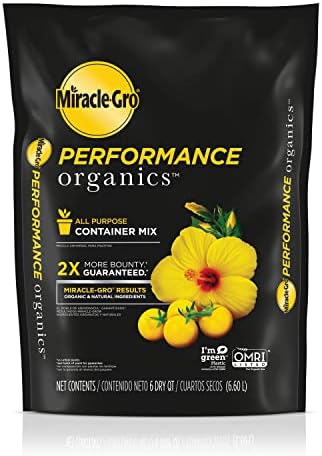
- Enjoy Miracle-Gro results with organic and natural ingredients
- Miracle-Gro Performance Organics All Purpose Container Mix delivers up to 2X more bounty (vs. unfed plants)
- An all purpose formula for indoor and outdoor container gardening
Rotate Crops Each Season
Each vegetable uses different nutrients, so rotating crops prevents nutrient depletion and disease.
Example rotation plan:
- Year 1: Leafy greens (lettuce, spinach)
- Year 2: Fruit crops (tomatoes, peppers)
- Year 3: Root crops (carrots, beets)
- Year 4: Legumes (beans, peas, they fix nitrogen!)
Then repeat the cycle.
Maintain Your Soil Throughout the Year
Soil health isn’t a one-time job; it’s ongoing.
During the growing season:
- Add compost tea or liquid organic fertilizer every 3–4 weeks.
- Keep soil covered with mulch to protect it from erosion.
In fall:
- Mix in compost or aged manure.
- Plant cover crops (like clover or rye) to prevent nutrient loss over winter.
Your soil will keep improving each year, making gardening easier and more productive.
How to Prepare Soil F.A.Qs
1. Can I use regular garden soil for vegetables?
Not recommended, it’s often too dense. Mix in compost and perlite for better texture and nutrients.
2. How deep should garden soil be for vegetables?
At least 8–12 inches deep for most vegetables; root crops like carrots need 12–18 inches.
3. What if I only have clay soil?
Add compost, coarse sand, and perlite to improve drainage and loosen texture.
4. How often should I add compost to my garden?
Add a fresh 1–2 inch layer each spring before planting and another in fall to replenish nutrients.
5. Should I fertilize before or after planting?
Mix fertilizer into the soil before planting for strong root development. Supplement mid-season as needed.
Conclusion
Preparing soil for a vegetable garden takes a little work up front, but it pays off all season long.
Here’s what to remember:
- Test your soil before planting.
- Add compost and organic matter generously.
- Adjust pH and fertilize to fit your plants’ needs.
- Loosen, mulch, and maintain for healthy roots.
Healthy soil means healthy vegetables; it’s that simple.
Once you get it right, your garden will reward you with fresh, flavorful produce straight from your backyard.


Just had a massive win here! The excitement is real and the site runs perfectly on my mobile phone. Give pkluky55 a try, you won’t regret it.
Honestly the best gaming experience I’ve had in a while. The bonuses are generous and the customer support is top notch. Highly recommend vnnohu77 to everyone.