
How Often Should You Fertilize Your Vegetable Garden? (Expert Guide)
Grab Your FREE -> How to Grow 5 Powerful Healing Herbs in Your Own Backyard — Even If You’ve Never Grown a Plant Before!
If you want a productive, lush vegetable garden, knowing how often you should fertilize your vegetable garden is essential.
When your plants receive the right nutrients at the right time, they grow strong, healthy, and flavorful. However, if you over-fertilize or wait too long, the result might be stunted growth, nutrient burn, or poor harvests.
Fertilization is about timing, soil health, and plant needs. In this guide, we’ll explore the best schedule for fertilizing vegetables and how to tailor it to your garden’s unique conditions.
The frequency of fertilizing your vegetable garden depends on soil type, crop type, and fertilizer type. Fast-growing vegetables like lettuce need more frequent feeding, while slow growers like tomatoes benefit from fewer, nutrient-rich applications. Over-fertilizing can harm plants, while under-fertilizing limits growth.
Read on to discover the optimal fertilization schedule for your garden and how to maximize nutrient efficiency naturally.
Understanding Vegetable Fertilization Needs
Before setting a schedule, it’s important to know why fertilization is necessary. Fertilizers provide essential nutrients like nitrogen, phosphorus, and potassium, along with trace minerals. These nutrients help plants grow strong stems, lush leaves, and bountiful fruits.
Different vegetables have different nutrient requirements: leafy greens need high nitrogen for lush leaves, root crops benefit from phosphorus for strong roots, and fruiting plants require balanced nutrients for flowers and fruits. Knowing these needs will help you plan your fertilization schedule effectively.
Soil fertility also varies. Even a rich soil can deplete quickly during a growing season. Regular soil testing allows you to adjust fertilization frequency based on nutrient levels, avoiding overuse or deficiency.
1. Fertilizing at Planting Time
The first fertilization often occurs when you prepare your garden beds. At this stage, the soil needs a nutrient boost to help seedlings or transplants establish quickly.
Organic fertilizers like compost, well-rotted manure, or bone meal are excellent for planting. They release nutrients slowly, improving soil structure while feeding your vegetables. Synthetic starter fertilizers can also be used, but apply carefully to avoid root burn.
For seeds, lightly mix the fertilizer into the top inch of soil. For transplants, create a small nutrient ring around the roots. This early feeding sets the foundation for healthy, vigorous plants throughout the season.
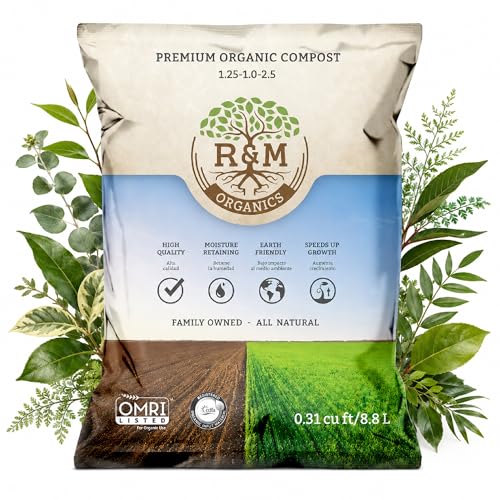
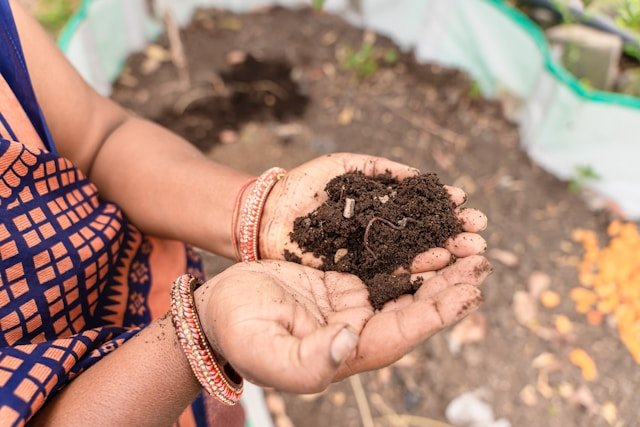
- Nutrient-Rich Organic Compost for Healthy Soil: Support stronger plant growth with this premium organic compost made fro…
- All Purpose Use for Indoor and Outdoor Gardening: Perfect for a wide range of applications including tomatoes, herbs, zu…
- Low Odor and Fully Composted for Easy Use: Processed through a complete composting method with continuous aeration to he…
2. Side-Dressing During Growth
Once plants start growing, side-dressing provides additional nutrients where they’re most needed near the roots. This method is especially important for heavy feeders like tomatoes, peppers, corn, and cucumbers.
Side-dressing typically involves applying a slow-release fertilizer or compost alongside the plant row every 3–4 weeks. For leafy crops like lettuce or spinach, you may increase frequency to every 2 weeks because they consume nitrogen rapidly.
Always water after side-dressing to help nutrients penetrate the soil and avoid leaf burn. Proper timing ensures plants remain productive and nutrient-deficient growth is prevented.
3. Fertilizing Fruit-Bearing Vegetables
Vegetables like tomatoes, peppers, squash, and beans benefit from fertilization as flowers develop. This stage requires phosphorus and potassium to support flowering, fruit set, and overall plant health.
For fruiting vegetables, apply fertilizer every 3–6 weeks, depending on the crop and soil fertility. Organic options like fish emulsion, seaweed extract, or well-composted manure are excellent for slow nutrient release.
Avoid excessive nitrogen at this stage because it promotes leafy growth over fruits. Properly timed fertilization ensures high-quality, abundant produce.
4. Fertilizing Leafy Greens
Leafy vegetables such as lettuce, kale, and spinach need consistent nitrogen for optimal leaf growth.
Apply a nitrogen-rich fertilizer every 2–3 weeks during the growing season. For faster-growing crops like baby lettuce, weekly top-dressing may be necessary for peak production.
Organic fertilizers like blood meal or compost tea provide a gentle nutrient boost without risking chemical burn. Regular fertilization encourages tender, dark green leaves and prevents slow, patchy growth.
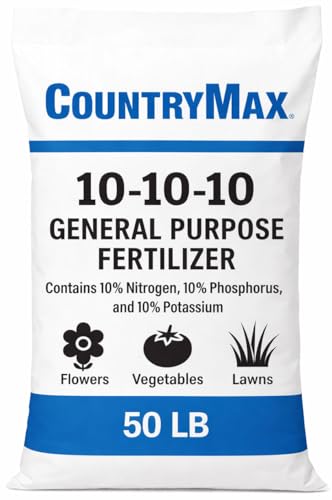
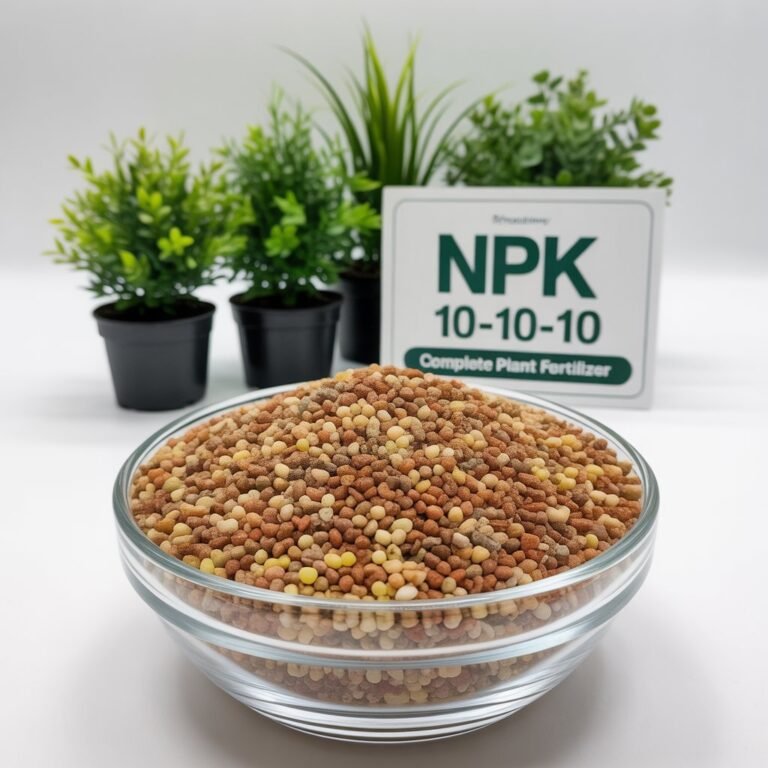
- Balanced Nutrition: Contains an even 10% Nitrogen, 10% Phosphorus, and 10% Potassium in each granule to deliver consiste…
- Promotes Soil Health: Improves the fertility and biological health of your soil over time by encouraging beneficial micr…
- Safe & Effective: Formulated to be safe for use on fruits, vegetables, herbs, grass, and ornamental plants when applied …
5. Fertilizing Root Vegetables
Root crops such as carrots, beets, and radishes require balanced nutrients but minimal nitrogen, which encourages leafy tops over root development.
Fertilize at planting and again mid-season using phosphorus and potassium-rich fertilizers to enhance root growth and size. Avoid high nitrogen fertilizers for root crops, as they may lead to large leafy growth with small roots.
Side-dressing lightly once or twice during the season is usually sufficient for most root vegetables.
6. Fertilizing Container Vegetables
Containers dry out faster and nutrients leach quickly, so potted vegetables often require more frequent fertilization.
Apply liquid fertilizer or water-soluble organic fertilizer every 1–2 weeks. Slow-release granules can also be added at planting time, but supplementary feeding is typically necessary mid-season.
Monitor plant health and soil color; yellowing leaves often indicate nutrient deficiency in container setups. Proper, consistent feeding ensures healthy growth and bountiful harvests.
Factors Affecting Fertilization Frequency
Several factors determine how often to fertilize:
- Soil Type: Sandy soils lose nutrients faster than clay-rich soils.
- Crop Type: Heavy feeders require more frequent feeding.
- Fertilizer Type: Organic slow-release fertilizers reduce the need for frequent applications.
- Weather: Heavy rains can wash nutrients from soil, increasing fertilization needs.
Adjust your schedule based on these factors for the best results. Observing your plants closely is essential to prevent deficiencies or excesses.
F.A.Qs
1. How do I know if my vegetables need fertilizer?
Yellowing leaves, slow growth, or poor fruiting are common signs of nutrient deficiency. Soil testing helps identify specific nutrient gaps.
2. Can I over-fertilize vegetables?
Yes, too much fertilizer can burn roots, promote excessive foliage, or reduce fruit production. Follow recommended rates carefully.
3. Is organic fertilizer enough for all vegetables?
Yes, organic fertilizers provide slow-release nutrients and improve soil structure. For very high-demand crops, occasional supplementation may be needed.
4. How often should I fertilize tomatoes?
Tomatoes benefit from feeding every 3–4 weeks, with additional phosphorus and potassium during flowering and fruiting.
5. Can I use the same fertilizer for all my crops?
It’s better to match fertilizer to crop type: nitrogen-rich for leafy greens, balanced for fruiting vegetables, and phosphorus/ potassium-rich for root crops.
Conclusion
Generally, make sure you do these things correctly:
- Fertilize at planting, mid-season, and as needed for crop type
- Use slow-release or organic fertilizers when possible
- Adjust frequency based on soil type, weather, and plant growth
- Avoid over-fertilizing to prevent plant damage
If you can’t figure it out, ask someone for help, even starting with a basic feeding schedule will improve your garden’s health and productivity.
Proper fertilization ensures stronger, healthier vegetables and a rewarding harvest season.



Very reliable platform with a wide range of payment methods. Everything is transparent and fast. I trust rupiahbetlogin completely.
Login process is very secure and quick. I love how they handle user accounts and the bonuses are actually generous. Try jili01casinologin today.
The best place to play Patti! The competition is exciting and the gameplay is very fair. I’m hooked on pkbingopattigame now.