
Liquid vs Granular Fertilizers: Which Is Better for Vegetables?

Grab Your FREE -> How to Grow 5 Powerful Healing Herbs in Your Own Backyard — Even If You’ve Never Grown a Plant Before!
If your vegetable plants are growing slowly or producing fewer fruits, your fertilizer type could be the problem. However, if this is the problem, the result might be yellowing leaves, weak roots, and low yields. The good news? Choosing the right one between liquid vs granular fertilizers can completely change how your garden performs.
Both fertilizer types have unique benefits; one gives a quick boost, while the other provides slow, steady nourishment. Let’s break down which is truly best for your vegetable garden.
Vegetable plants need consistent nutrients to thrive. Liquid fertilizers deliver fast results but require frequent applications, while granular fertilizers feed plants slowly over time. Keep reading to discover which fertilizer type suits your garden’s needs best.
Why Fertilizers Matter for Vegetables
Vegetable plants deplete nutrients quickly from the soil, especially during fruiting and flowering. Without replenishing them, you’ll see slower growth and smaller harvests. Fertilizers restore these essential nutrients, nitrogen, phosphorus, and potassium, ensuring your plants grow healthy and productive.
In the liquid vs granular fertilizers debate, both supply these nutrients but in different ways, influencing how and when your plants absorb them.
1. What Are Liquid Fertilizers?
Fast-Acting Nutrient Boost
Liquid fertilizers come in a water-soluble form, meaning nutrients are immediately available to plants. They can be applied directly to the soil or sprayed onto leaves for quick absorption.
This makes them ideal for gardeners looking for instant results, such as reviving droopy seedlings or correcting nutrient deficiencies fast.
Ease of Application
Simply mix the concentrated liquid with water and pour or spray it over your vegetables. Because it’s uniform, every drop delivers the same nutrient mix.
Best For
- Container gardens
- Seedlings and transplants
- Plants showing quick nutrient deficiency symptoms

- WATCH YOUR PLANTS FLOURISH: This plant food for vegetables is designed to support growth. Enhance plant size and structu…
- INSTANT NUTRIENT ABSORPTION: Formulated for quick nutrient uptake, this liquid vegetable fertilizer helps plants absorb …
- PERFECT FOR A VARIETY OF PLANTS: Ideal for roses, tomatoes, and veggies, this liquid fertilizer caters to a wide range o…
2. What Are Granular Fertilizers?
Slow and Steady Feeding
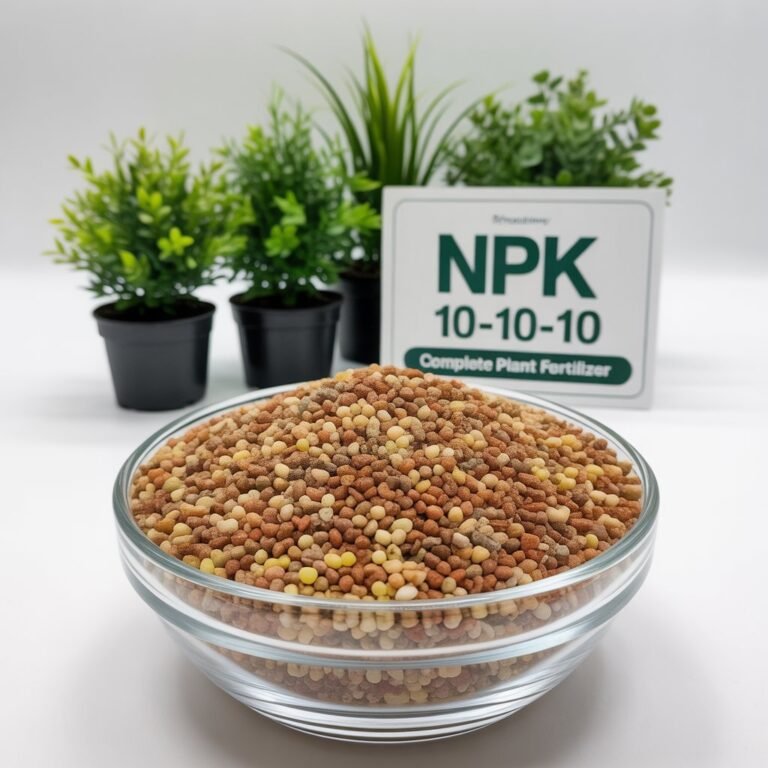
Granular fertilizers come as dry pellets or small granules that you mix into the soil. As you water, nutrients are released gradually over time.
This slow-release effect ensures your vegetables have a steady food source throughout their growing season, ideal for busy gardeners who prefer low-maintenance feeding.
Application Made Simple
Just sprinkle the granules around plant bases or mix them into the soil before planting. One application can last weeks or even months, depending on the product type.
Best For
- Large outdoor gardens
- Root-heavy crops (like carrots or potatoes)
- Gardeners seeking long-term nutrition
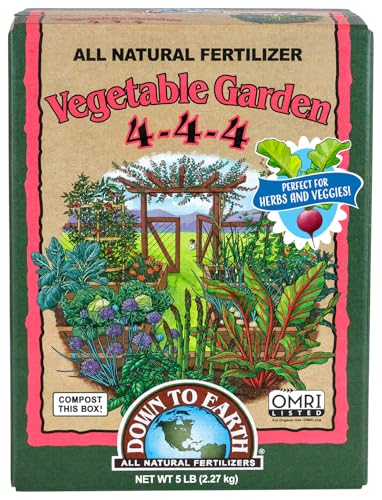
- Safe for the Environment: Non-toxic and safe for beneficial insects, pollinators, pets, and the surrounding ecosystem, p…
- Versatile and Easy to Use: Suitable for a wide range of vegetables, and the 5 lb box is easy to apply directly to the so…
- Slow-Release Formula: Delivers nutrients gradually, ensuring long-lasting support for your plants and reducing the risk …
3. Liquid Fertilizer Pros
1. Quick Nutrient Absorption
Because it’s already dissolved, nutrients enter the soil and roots almost instantly. You’ll often see greener leaves and faster growth within days.
2. Perfect for Emergencies
If your plants look pale or wilted, a liquid fertilizer can quickly correct nutrient deficiencies, such as nitrogen or iron shortage.
3. Customizable Feeding
You can adjust concentration levels depending on the plant’s growth stage, mild doses for seedlings and stronger solutions for mature plants.
4. Liquid Fertilizer Cons
1. Short-Term Effect
Liquid fertilizers wash away easily with rain or watering, requiring more frequent applications.
2. Potential Overfeeding
It’s easy to overdo it with liquid fertilizers. Overconcentration can burn roots or alter soil pH.
3. Cost Over Time
Frequent use means higher long-term costs compared to one-time granular applications.
5. Granular Fertilizer Pros
1. Long-Lasting Nutrition
Granular fertilizers decompose slowly, releasing nutrients over weeks or even months. This consistency is great for root development and long-term soil health.
2. Budget-Friendly
One bag can cover a large garden and last an entire growing season, making it cost-effective.
3. Minimal Maintenance
Once applied, you can focus on watering and weeding without worrying about frequent feeding.
6. Granular Fertilizer Cons
1. Slower Results
Since nutrients are released gradually, visible improvement may take weeks. Not ideal for plants needing immediate recovery.
2. Uneven Distribution
Granules may not dissolve evenly, leading to some plants receiving more nutrients than others if not applied properly.
3. Harder to Adjust Mid-Season
Once mixed into soil, it’s difficult to modify the nutrient balance without overloading your plants.
Comparing Liquid vs. Granular Fertilizers for Vegetables
| Feature | Liquid Fertilizers | Granular Fertilizers |
|---|---|---|
| Nutrient Release Speed | Immediate | Slow and steady |
| Ease of Application | Simple to mix and spray | Easy to spread |
| Duration of Effect | Short-term | Long-term |
| Ideal For | Containers, seedlings | Large gardens, root crops |
| Cost | Higher long-term | More economical |
| Maintenance | Frequent | Low maintenance |
Both work, but their performance depends on your gardening style and the vegetables you’re growing.
8. Which Type Works Best for Common Vegetables?
Leafy Greens (Lettuce, Spinach, Kale)
These fast-growing plants love consistent nitrogen. Liquid fertilizers are better here because they offer instant feeding, helping greens stay lush and vibrant.
Root Vegetables (Carrots, Beets, Radishes)
They thrive on slow, balanced feeding that encourages root expansion rather than excessive leaf growth. Granular fertilizers are best suited for them.
Fruit-Bearing Vegetables (Tomatoes, Peppers, Cucumbers)
Start with granular fertilizer early in the season for root growth, then switch to liquid fertilizer once flowering begins for better fruit production.
Legumes (Beans, Peas)
These nitrogen-fixing plants don’t need frequent fertilization. A small amount of granular fertilizer at planting is usually enough.
Herbs (Basil, Mint, Cilantro)
They respond well to mild liquid fertilizer feedings every few weeks, especially in containers.
9. Organic Options for Both Types
Liquid Fertilizer Alternatives
- Compost Tea: Soak compost in water for 24–48 hours, strain, and use the liquid to feed plants.
- Fish Emulsion: A protein-rich organic option that boosts growth quickly.
- Seaweed Extract: Provides trace minerals and encourages root development.
Granular Fertilizer Alternatives
- Bone Meal: High in phosphorus for strong root systems.
- Blood Meal: A Great source of natural nitrogen.
- Rock Phosphate: Slowly releases minerals into the soil for lasting effects.
These natural options are eco-friendly, chemical-free, and safe for edible crops.
10. How to Combine Both for Maximum Results
You don’t have to pick one side in the liquid vs granular fertilizers debate; many gardeners use both!
Here’s how:
- Start with Granular Fertilizer: Mix into soil before planting to build a nutrient foundation.
- Supplement with Liquid Fertilizer: Apply every 2–3 weeks for a mid-season boost.
- Monitor Growth: If leaves yellow, use a light liquid feeding. If growth slows, reapply granular fertilizer mid-season.
This combination ensures your vegetables get steady and fast-acting nutrients for the best yields.
11. Common Fertilizer Mistakes to Avoid
1. Over-Fertilizing
More fertilizer doesn’t mean faster growth; it can cause leaf burn or reduce flowering.
2. Applying at the Wrong Time
Fertilize early morning or late evening to prevent evaporation and nutrient loss.
3. Ignoring Soil Testing
Always test your soil before fertilizing. It helps determine which nutrients are missing, saving you from unnecessary applications.
4. Mixing Products Incorrectly
Never mix incompatible fertilizers (for example, acid-based liquids with alkaline granules). This can neutralize nutrients.
5. Not Watering Properly
Fertilizers need water to activate. Dry soil prevents nutrient absorption, so always water thoroughly after application.
FAQs About Liquid vs. Granular Fertilizers
1. Which fertilizer type gives faster results?
Liquid fertilizers work faster because nutrients are immediately available in solution form. You can see visible improvements in just a few days.
2. Can I use both liquid and granular fertilizers together?
Yes! Many gardeners use granular as a base and supplement with liquid feedings for quick nutrient boosts throughout the season.
3. Which type is safer for beginners?
Granular fertilizers are easier to manage since they release nutrients slowly and reduce the risk of overfeeding.
4. Are organic liquid and granular fertilizers available?
Absolutely. Organic versions like compost tea (liquid) and bone meal (granular) work great without harsh chemicals.
5. How do I know if my vegetables need fertilizer?
Signs include yellow leaves, stunted growth, and poor yields. Testing your soil will confirm nutrient deficiencies.
Conclusion
Generally, make sure you do these things correctly: apply fertilizers at the right time, don’t overfeed, and always check soil moisture. If you can’t figure out which fertilizer your vegetables prefer, start with a mix of both and observe how your plants respond.
Choosing between liquid vs granular fertilizers depends on your garden’s size, schedule, and crop type. Liquid fertilizers bring quick results, while granular ones offer lasting support. Together, they create the perfect balance for strong, healthy, and high-yielding vegetable gardens.


I have read so many articles concerning the blogger lovers except this article is actually a fastidious paragraph, keep it up.