Beets All Tops No Bottoms? Here’s Why They’re Not Bulbing
Grab Your FREE -> How to Grow 5 Powerful Healing Herbs in Your Own Backyard — Even If You’ve Never Grown a Plant Before!
Beets are one of the most rewarding root vegetables to grow, fast, colorful, and nutrient-packed. It’s good like this: leafy greens above, crisp bulbs below.
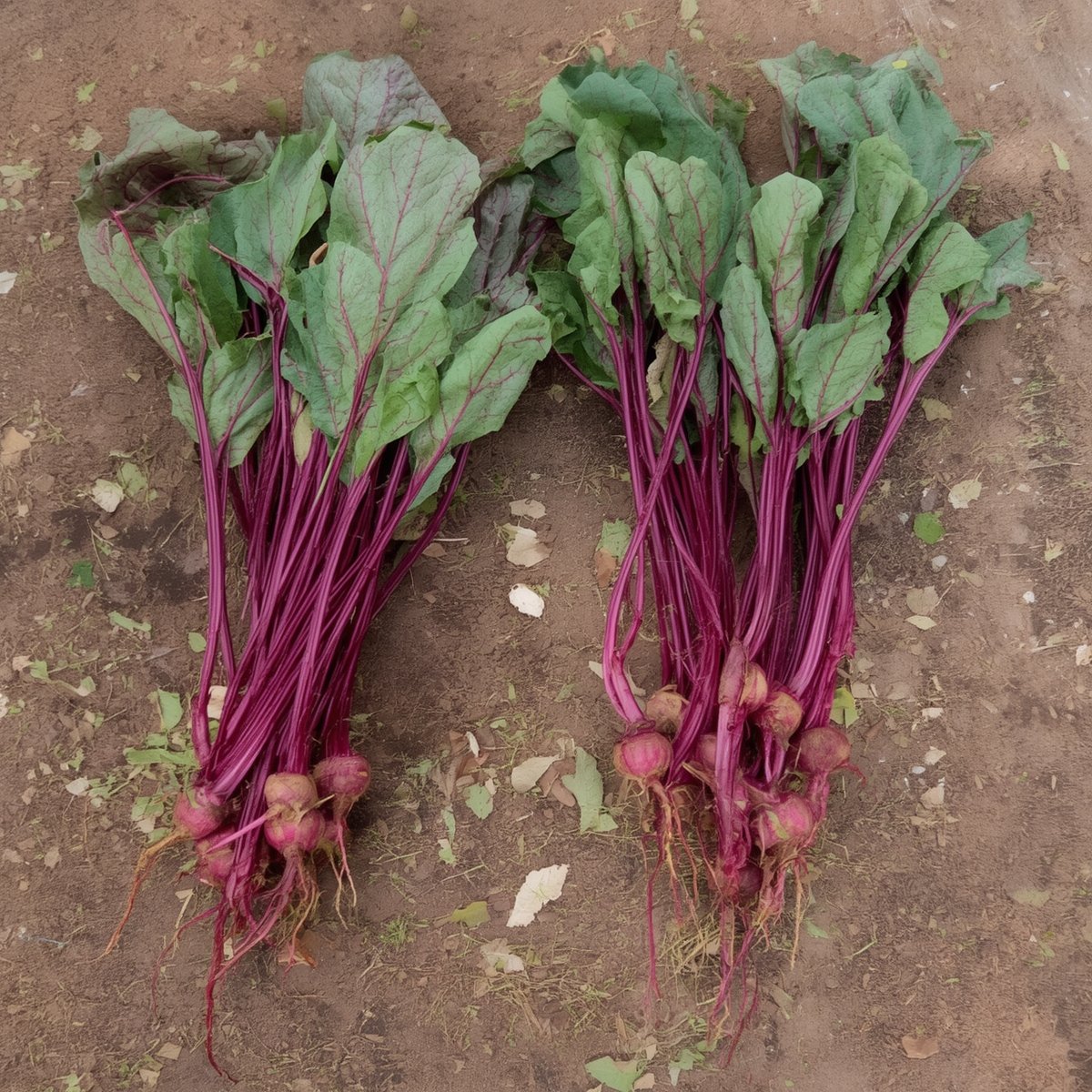
However, if your garden gives you beets with all tops and no bottoms, it’s frustrating. The leaves thrive, but the roots stay tiny or nonexistent.
When beets with all tops and no bottoms, it’s usually caused by too much nitrogen, overcrowded spacing, high temperatures, or poor soil conditions. Excess nitrogen promotes leafy growth instead of root development, while tight spacing or warm weather can stop bulb formation entirely.
Keep reading to learn the exact reasons this happens and how to fix your beet crop for a better harvest.
Why Beets Aren’t Forming Bulbs (And How to Fix It)
Too Much Nitrogen in the Soil
Over-fertilizing is the #1 cause of leafy beets with no bulbs. Nitrogen encourages leaf growth, but beets need a balanced NPK ratio (especially phosphorus and potassium) for root formation.
What to do:
- Avoid high-nitrogen fertilizers or fresh manure.
- Use a low-nitrogen, high-phosphorus fertilizer, such as 5-10-10.
- Add bone meal or wood ash to promote root growth.

- PREMIUM QUALITY INGREDIENTS – Cz Garden 5-10-10 is all-purpose fertilizer for all indoor/outdoor flowers, lawn, and gard…
- RESEALABLE, EASY POUR PACKAGING: Cz Garden 5-10-10 Tomato & Vegetable fertilizer comes sealed in a 4LB heavy duty reseal…
- COUNTRY OF ORIGIN: USA – Cz Garden fertilizers and soil amendments are manufactured in the USA from the highest quality …
Crowded Plants Compete for Space
Beet roots need room to expand. When planted too close together, they compete for nutrients, moisture, and space, leading to leafy greens but tiny or misshapen bulbs.
Fix it:
- Thin seedlings to about 3 inches apart once they’re 2 inches tall.
- You can eat the thinned greens as baby beet tops!
- Keep rows 12–18 inches apart to allow airflow and easy weeding.
Hard or Compacted Soil
Beets are root vegetables; they need loose, friable soil to expand easily underground. Clay-heavy or compacted soil restricts root growth and causes flat, small, or even deformed beets.
Fix it:
- Loosen soil 8–10 inches deep before planting.
- Mix in sand, compost, or peat moss to improve drainage.
- Never walk on your planting beds; it compacts the soil.
Planting Too Late or in Hot Weather
Beets prefer cool weather, and high temperatures cause stress that stops bulb formation. When planted too late in spring or too early in summer, they’ll produce leaves but skip the root phase entirely.
Fix it:
- Plant 2–4 weeks before the last spring frost.
- For fall harvests, sow 6–8 weeks before the first frost date.
- Ideal soil temperature for germination: 50–85°F (10–29°C).
Incorrect Soil pH or Nutrient Deficiency
Beets thrive in soil with a pH between 6.0 and 7.5. Acidic soil can stunt root growth and prevent nutrient absorption.
Fix it:
- Test your soil using a home pH kit.
- Add lime if the soil is too acidic.
- Supplement with phosphorus (P) and potassium (K) to support root growth.
Poor Watering Practices
Inconsistent watering too little or too much, can also lead to root problems. Beets need steady moisture to grow evenly, but soggy soil reduces oxygen around the roots.
Fix it:
- Water 1 inch per week, more during dry spells.
- Keep soil consistently moist, not waterlogged.
- Use mulch to retain moisture and prevent cracking soil.
Wrong Variety or Seed Quality
Sometimes the problem isn’t your technique, it’s the variety or old seeds. Some beet varieties are bred for leafy tops (like ‘Bull’s Blood’) rather than roots.
Fix it:
- Choose root-focused varieties like ‘Detroit Dark Red’ or ‘Chioggia.’
- Always use fresh seeds; beet seeds lose viability quickly.
- Store leftover seeds in a cool, dry place.
When to Plant Beets
Beets are cool-season crops, so timing is crucial.
- Spring planting: 2–4 weeks before your last expected frost date.
- Fall planting: 6–8 weeks before your first expected frost.
- Temperature range: Ideal soil temperature is 50–85°F (10–29°C).
In hot climates, mulch the soil or use shade cloth to prevent heat stress. Beets can tolerate light frost but won’t do well in intense summer heat.
How to Plant Beets
- Prepare the soil: Loosen the top 8–10 inches and remove rocks or debris.
- Amend with compost: Mix in organic matter for better texture and drainage.
- Plant depth: Sow seeds ½ inch deep and about 1 inch apart.
- Water gently: Keep soil moist until seedlings emerge (7–10 days).
- Thin seedlings: Once 2 inches tall, thin to 3 inches apart to allow room for bulbs.
How to Grow Beets Successfully
Beets are fairly low-maintenance, but consistent care makes a big difference.
- Sunlight: Full sun (6+ hours per day) is best.
- Soil: Loose, fertile, and well-draining.
- Fertilizing: Use a low-nitrogen mix (like 5-10-10) mid-season.
- Weeding: Keep weeds down to reduce competition.
- Mulching: Helps retain moisture and regulate soil temperature.
How to Pick Beets
Beets are ready to harvest 50–70 days after planting, depending on the variety.
Here’s how to know they’re ready:
- Bulbs are 1.5–3 inches in diameter (smaller beets are sweeter).
- Tops are tall and healthy, but not overly leafy.
- The crown of the beet is visible above the soil line.
Harvesting steps:
- Gently loosen soil around the beet with a garden fork.
- Grasp greens near the base and pull straight up.
- Trim the leaves, leaving about 1 inch of stem to prevent bleeding.
F.A.Q
1. Can I still eat beets with all tops and no bottoms?
Yes! The greens are edible, nutrient-rich, and delicious sautéed with olive oil or added to salads.
2. How long do beets take to form bulbs?
Beets typically mature in 50–70 days, depending on variety and conditions. Bulb formation starts around week 4–5.
3. Should I cut off beet greens to help roots grow?
No. Removing leaves weakens the plant. Instead, manage nutrients and spacing for better root growth.
4. How deep should I plant beet seeds?
Plant seeds about ½ inch deep in loose soil and keep moist until germination.
5. Can I regrow beets from beet tops?
You can regrow greens from beet tops in water, but they won’t form new bulbs; they’re only good for foliage regrowth.
Conclusion
If your garden yields beets all tops and no bottoms, don’t worry it’s a fixable issue. Beets respond quickly when given the right conditions.
Generally, make sure you do these things correctly:
- Use low-nitrogen fertilizer.
- Space plants 3 inches apart.
- Keep soil loose and well-drained.
- Maintain even moisture.
- Plant during cool seasons.
If you can’t figure it out, ask someone for help or experiment with one bed at a time. Soon enough, you’ll be pulling up round, sweet beets instead of leafy disappointments.