Best Organic Fertilizers for Vegetables (Simple Beginner’s Guide to Healthy Growth)

Grab Your FREE -> How to Grow 5 Powerful Healing Herbs in Your Own Backyard — Even If You’ve Never Grown a Plant Before!
If you want stronger, healthier plants and bigger harvests, finding the best organic fertilizers is one of the smartest things you can do for your vegetable garden.
It’s good like this when your soil is naturally rich, your vegetables grow with vibrant colors and incredible flavor. However, if your soil lacks nutrients, your plants may end up stunted, pale, or low-yielding.
The great news? You don’t need harsh chemicals to fix that. Organic fertilizers feed your plants and improve the soil over time, leading to sustainable, long-term growth.
In this post, you’ll learn the most effective organic fertilizers for vegetables, how to use them correctly, and a few simple ways to make your own at home.
The best organic fertilizers for vegetables include compost, worm castings, fish emulsion, bone meal, and seaweed extract. These natural fertilizers provide slow-release nutrients, improve soil health, and help plants grow strong without chemicals.
Why Organic Fertilizers Matter
Vegetables pull nutrients from the soil to grow nitrogen for leaves, phosphorus for roots, and potassium for fruits. Over time, soil can become depleted.
Chemical fertilizers may give a quick boost, but they can also damage soil microbes and wash away easily, leaving your soil poorer in the long run.
Organic fertilizers, on the other hand:
- Feed the soil, not just the plants
- Release nutrients slowly and naturally
- Encourage beneficial organisms
- Improve texture and water retention
When used correctly, they create a self-sustaining ecosystem that supports growth season after season.
Best Organic Fertilizers for Vegetables (and How to Use Them)
Below are the top-performing, beginner-friendly organic fertilizers that give consistent results whether you grow in-ground, raised beds, or containers.
1. Compost – The Ultimate All-Purpose Fertilizer
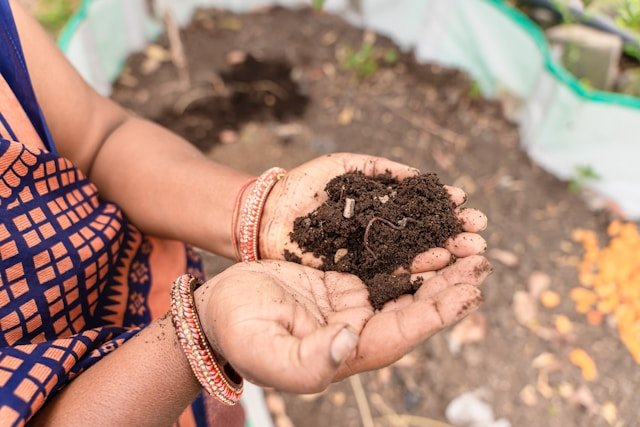
Compost is the king of organic fertilizers. It’s made from decomposed plant material, kitchen scraps, and yard waste.
Why it’s great:
- Provides a balanced mix of nutrients
- Improves soil structure and water retention
- Supports beneficial microbes
How to use:
- Mix 2–3 inches into the topsoil before planting
- Use as mulch around plants
- Make compost tea for foliar feeding
💡 Pro Tip: The darker and earthier your compost smells, the richer it is in nutrients.
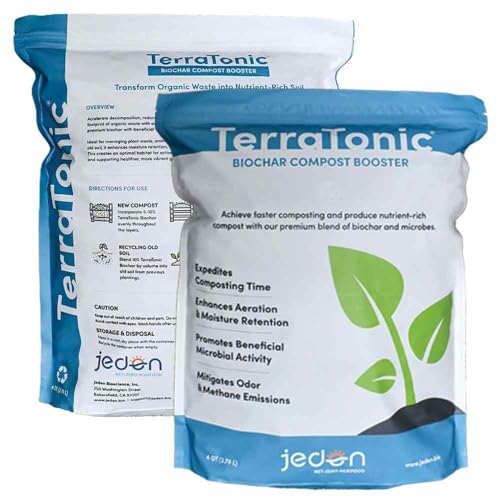
- ACCELERATED DECOMPOSITION: Natural composting bacteria break down kitchen scraps, yard clippings, and other organic matt…
- ODOR & FLY CONTROL: Say goodbye to unpleasant smells! Our compost activator reduces odors, lowers fly populations, and d…
- NUTRIENT RETENTION: The unique structure of our biochar fertilizer enhances compost’s ability to hold water and nutrient…
2. Worm Castings – Nature’s Microbe Factory
Worm castings (vermicompost) are the digested remains of organic matter eaten by worms.
Why it’s great:
- Packed with beneficial bacteria and trace minerals
- Improves soil aeration and water retention
- Safe for seedlings won’t burn roots
How to use:
- Mix 1 part worm castings with 4 parts soil
- Sprinkle a handful around each plant monthly
- Brew worm tea and apply it directly to the leaves
💡 Best for: Tomatoes, peppers, and leafy greens.
3. Fish Emulsion – Fast-Acting Nitrogen Boost
Fish emulsion is a liquid fertilizer made from processed fish waste.
Why it’s great:
- High in nitrogen (great for leafy growth)
- Quick results
- Easy to apply via watering can or sprayer
How to use:
- Mix 1–2 tablespoons per gallon of water
- Apply every 2–3 weeks during the growing season
💡 Caution: It can smell strong, so apply early in the day or just before watering.
4. Bone Meal – Strong Roots & Flowering Power
Bone meal is made from steamed animal bones and provides a slow, steady release of phosphorus and calcium.
Why it’s great:
- Encourages root growth
- Supports flowering and fruiting
- Lasts up to 4 months in soil
How to use:
- Mix 1 tablespoon per plant into the soil before planting
- Reapply mid-season for heavy feeders like tomatoes or peppers
💡 Avoid overuse if your soil is already high in phosphorus, as it can cause a nutrient imbalance.
5. Blood Meal – Natural Nitrogen Source
Blood meal is a powerful organic fertilizer made from dried animal blood.
Why it’s great:
- Excellent for boosting nitrogen
- Helps plants recover from yellowing or slow growth
- Stimulates leafy green production
How to use:
- Mix 1–2 tablespoons into the soil around plants
- Water immediately after application
💡 Best for: Lettuce, spinach, kale, and other leafy vegetables.
6. Seaweed (Kelp) Fertilizer – Micronutrient Goldmine
Seaweed fertilizer, often sold as a liquid or powder, is rich in potassium and trace minerals.
Why it’s great:
- Strengthens plants against stress and disease
- Encourages flowering and fruiting
- Boosts microbial activity in soil
How to use:
- Mix according to label (usually 1–2 tablespoons per gallon of water)
- Spray on leaves or water into the soil every 3–4 weeks
💡 Bonus: Seaweed is non-burning and safe for all plants.
7. Aged Manure – Traditional Nutrient Powerhouse
Well-composted manure (from cows, chickens, or horses) has been used for centuries to enrich garden soil.
Why it’s great:
- Improves soil fertility and structure
- Adds beneficial bacteria
- Increases organic matter
How to use:
- Apply a 2-inch layer and mix it into the soil
- Never use fresh manure it can burn roots and carry pathogens
💡 Best for: Root crops and heavy feeders like corn and squash.
8. Homemade Organic Fertilizer Blends
If you enjoy DIY gardening, you can mix your own natural fertilizer at home.
Simple recipe for general vegetables:
- 4 parts compost
- 1 part bone meal
- 1 part kelp meal
- 1 part worm castings
Mix thoroughly and apply around each plant base once a month.
💡 Bonus tip: You can also make banana peel fertilizer (rich in potassium) by soaking peels in water for 2–3 days.
When and How to Apply Organic Fertilizers
Timing and method matter just as much as the fertilizer itself.
Apply organic fertilizers:
- Before planting (to enrich the soil)
- Mid-season (to boost ongoing growth)
- After harvest (to rebuild soil health)
Methods:
- Top dressing: Spread fertilizer on the soil surface and water it in
- Side dressing: Apply along plant rows during growth
- Liquid feeding: Use compost tea or fish emulsion for fast uptake
💡 General Rule: Organic fertilizers release nutrients slowly, plan for long-term soil health, not overnight results.
What to Look for When Choosing the Best Organic Fertilizer
Here’s how to pick the right product for your garden goals:
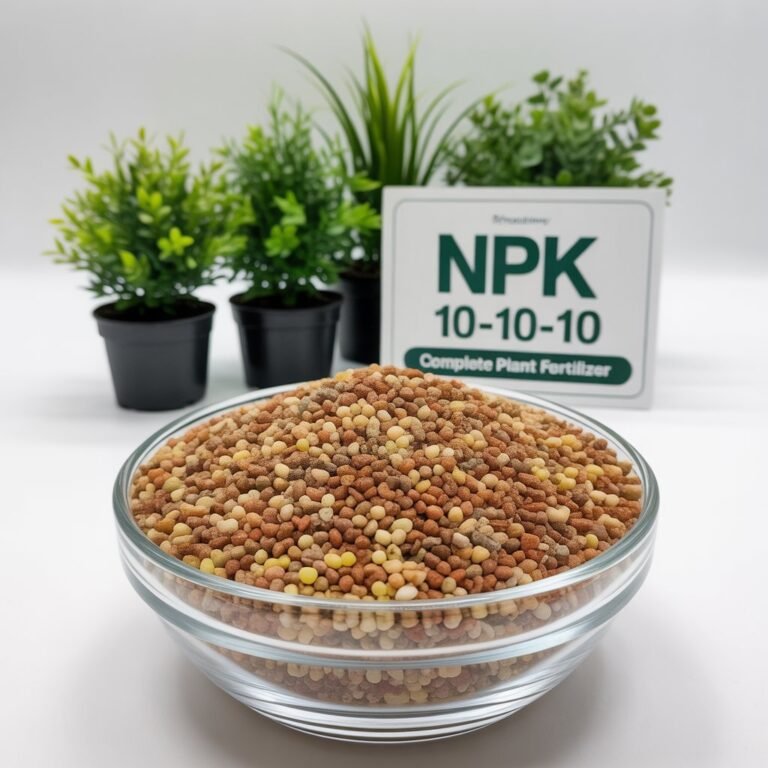
1. Check the N-P-K Ratio:
- Nitrogen (N): Leaf and stem growth
- Phosphorus (P): Root and flower development
- Potassium (K): Overall plant health
Example: A 5-5-5 fertilizer provides balanced nutrition for most vegetables.

- PREMIUM QUALITY INGREDIENTS – Cz Garden 5-10-10 is all-purpose fertilizer for all indoor/outdoor flowers, lawn, and gard…
- RESEALABLE, EASY POUR PACKAGING: Cz Garden 5-10-10 Tomato & Vegetable fertilizer comes sealed in a 4LB heavy duty reseal…
- COUNTRY OF ORIGIN: USA – Cz Garden fertilizers and soil amendments are manufactured in the USA from the highest quality …
2. Match Fertilizer Type to Crop Needs:
- Leafy greens → Nitrogen-rich fertilizers (compost, blood meal)
- Root crops → Phosphorus-heavy (bone meal, compost)
- Fruiting vegetables → Potassium-rich (seaweed, compost tea)
3. Choose Certified Organic Products:
Look for labels like OMRI Listed or Certified Organic to ensure purity and safety.
F.A.Q
1. What is the best organic fertilizer for vegetables in pots?
Liquid seaweed or worm tea works best they deliver nutrients quickly and won’t compact the soil.
2. Can I combine different organic fertilizers?
Yes! Combining compost, worm castings, and seaweed extract gives a balanced nutrient mix.
3. How often should I fertilize vegetables organically?
Every 3–4 weeks during the growing season, depending on plant type and soil condition.
4. Are organic fertilizers safe for all plants?
Yes, they release nutrients slowly and won’t burn roots like synthetic ones.
5. Can I make my own organic fertilizer at home?
Absolutely. Compost, banana peel water, and eggshell powder are easy DIY options.
Conclusion
Generally, make sure you do these things correctly:
- Feed your soil regularly with compost or organic fertilizer.
- Choose fertilizer types based on your crop’s needs.
- Avoid over-fertilizing; more isn’t always better.
- Keep improving your soil naturally each season.
If you can’t figure it out, ask someone for help or simply start with one easy option like compost or worm castings.
Once you begin using the best organic fertilizers, you’ll notice your garden transforming into greener leaves, stronger roots, and healthier harvests. Nature rewards those who feed it well.