
10 Common Soil Problems That Hurt Your Vegetables (And Easy Fixes)
Grab Your FREE -> How to Grow 5 Powerful Healing Herbs in Your Own Backyard — Even If You’ve Never Grown a Plant Before!
If your plants are yellowing, wilting, or growing slowly, the issue might not be your watering schedule; it’s probably your soil. Even experienced gardeners face soil issues that block nutrients, choke roots, and stunt plant growth. The good news? Most of these common soil problems can be easily identified and corrected with simple fixes.
The most common soil problems include poor drainage, compacted soil, low nutrients, incorrect pH, too much clay or sand, salt buildup, erosion, and lack of organic matter.
These issues cause poor root health, stunted growth, and lower yields. The best fixes are adding compost, testing pH, improving aeration, and maintaining organic matter.
Keep reading to learn how to recognize and fix the top 10 soil problems holding your garden back.
Compacted Soil
The Problem:
When soil becomes too dense, roots can’t grow or access oxygen and nutrients.
Symptoms:
- Water is pooling or running off instead of soaking in
- Hard, crusty soil surface
- Stunted root systems
The Fix:
Loosen the top 8–12 inches using a garden fork or broadfork.
Add compost, perlite, or coarse sand to increase aeration.
Avoid walking or working on wet soil to prevent further compaction.
Tip: Raised beds naturally reduce compaction and help soil stay light and fluffy.
Poor Drainage
The Problem:
Soggy soil cuts off oxygen to roots and encourages diseases like root rot.
Symptoms:
- Yellowing leaves
- Mushy or rotten roots
- Foul-smelling soil
The Fix:
- Build raised beds or garden mounds.
- Mix in compost and perlite to improve structure.
- Use well-draining soil in containers.
- Avoid overwatering. Check soil moisture first.

Low Nutrients
The Problem:
Vegetables use up nutrients quickly, and if not replenished, soil fertility declines.
Symptoms:
- Yellow leaves (nitrogen deficiency)
- Purple discoloration (phosphorus deficiency)
- Poor flowering or fruiting (potassium deficiency)
The Fix:
Add organic compost, worm castings, or slow-release fertilizer.
Rotate crops each year to balance nutrient use.
Grow cover crops like clover or peas to restore nitrogen.
Incorrect Soil pH
The Problem:
Soil that’s too acidic or alkaline blocks nutrient absorption even if nutrients are present.
Symptoms:
- Pale or yellow leaves
- Stunted growth despite fertilizing
- Uneven performance among plants
The Fix:
- Test the soil with a pH testing kit.
- For acidic soil (below 6.0): add lime.
- For alkaline soil (above 7.5): add sulfur or peat moss.
- Most vegetables thrive in a pH range of 6.0–7.0.
Too Much Clay
The Problem:
Clay soil holds water and becomes sticky, making it difficult for roots to spread.
Symptoms:
- Water puddles after rain
- Hard soil when dry, muddy when wet
- Poor root development
The Fix:
Mix in 2–3 inches of compost and coarse sand or perlite.
Add gypsum to break up the heavy clay structure.
Avoid tilling when the soil is wet it compacts even more.
Tip: Add mulch to prevent the surface from hardening.
Too Sandy
The Problem:
Sandy soil drains too quickly and loses nutrients fast.
Symptoms:
- Plants dry out quickly
- Nutrient deficiencies
- Loose, gritty texture
The Fix:
Add organic matter like compost or aged manure.
Mulch heavily to conserve moisture.
Use slow-release fertilizers to reduce nutrient loss.
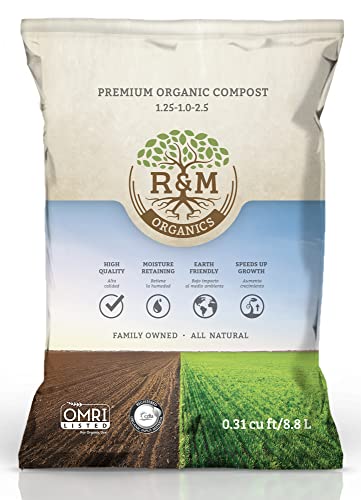
- All-purpose fertilizer. Derived from 100% dairy cow manure, our compost helps improve your soil by bringing needed nutri…
- Quarter inch, it’s a cinch. Thanks to the compost’s high nutrient value, all it takes is roughly a quarter inch layer to…
- Low odor. Our organic compost goes through a complete composting process. During the composting process, the compost is …
Salt Buildup
The Problem:
Over-fertilizing or poor-quality irrigation water leads to salt accumulation, which harms roots.
Symptoms:
- White crust on the soil surface
- Brown leaf edges or burns
- Weak or stunted plants
The Fix:
Flush the soil with deep watering every few weeks.
Avoid chemical fertilizers and use organic alternatives.
Replace old potting soil every 2–3 seasons.
Lack of Organic Matter
The Problem:
Without organic material, soil becomes lifeless, microbes die, and plants struggle to access nutrients.
Symptoms:
- Hard, dry, or gray soil
- Poor drainage
- Slow plant growth
The Fix:
Add 2–4 inches of compost each season.
Leave garden debris (like leaves or stems) to decompose naturally.
Consider mulching year-round to feed soil microbes.
Soil Erosion
The Problem:
Wind and rain wash away topsoil, reducing fertility and structure.
Symptoms:
- Exposed roots
- Uneven garden surface
- Plants are drying out quickly
The Fix:
Plant cover crops like rye or vetch to hold soil in place.
Use mulch or straw to protect bare soil.
Build terraces or raised beds on slopes.
Pro tip: Installing edging or barriers helps prevent soil washout.
Weed-Infested Soil
The Problem:
Weeds steal nutrients and light from your vegetables and indicate poor soil balance.
Symptoms:
- Rapid weed regrowth
- Weak or pale vegetable plants
The Fix:
- Apply 2–3 inches of organic mulch to block sunlight.
- Pull weeds before they set seeds.
- Improve soil fertility, healthy soil suppresses weed dominance naturally.
Bonus Section: How to Prevent Common Soil Problems
1. Test Your Soil Regularly
A quick soil test each spring identifies pH, nutrient levels, and texture issues before they harm plants.
2. Add Organic Matter Yearly
Compost keeps your soil soft, well-draining, and nutrient-rich, fixing almost every soil problem over time.
3. Avoid Overworking Your Soil
Tilling too often destroys soil structure and kills beneficial microbes. Practice no-dig gardening when possible.
4. Rotate Crops
Don’t plant the same vegetables in the same spot every year it depletes certain nutrients and encourages diseases.
5. Keep Soil Covered
Bare soil invites weeds, erosion, and compaction. Use mulch or cover crops to protect it.
F.A.Q
1. What are the most common soil problems in home gardens?
The most common soil problems include poor drainage, compacted soil, low nutrients, wrong pH, and lack of organic matter.
2. How can I tell if my soil is healthy?
Healthy soil is dark, crumbly, and full of earthworms. Water should soak in easily, and plants should grow evenly.
3. Can I fix bad soil without replacing it?
Yes, you can improve it naturally by adding compost, using mulch, and planting cover crops.
4. How often should I test my soil?
Test at least once a year, ideally in early spring before planting.
5. What’s the easiest way to prevent soil problems long term?
Feed the soil with compost regularly, rotate crops, and avoid using synthetic chemicals.
Conclusion
Soil is the foundation of every healthy vegetable garden, and when it’s out of balance, your plants will show it.
Generally, make sure you do these things correctly:
- Add compost regularly.
- Test your soil each season.
- Avoid compaction and overwatering.
- Protect the surface with mulch or cover crops.
If you can’t figure it out, ask someone for help or start with one small garden bed and observe how it behaves.
Healthy soil doesn’t need perfection; it needs consistency. Over time, with care and organic amendments, your soil will come alive, and your vegetables will thrive stronger than ever.


