DIY Natural Fertilizers You Can Make from Kitchen Waste


Grab Your FREE -> How to Grow 5 Powerful Healing Herbs in Your Own Backyard — Even If You’ve Never Grown a Plant Before!
If your plants seem tired, dull, or just not thriving, the problem could be your soil. However, if this is the problem, the result might be stunted growth and yellow leaves. The good news? You can fix it using DIY natural fertilizers made from everyday kitchen scraps. They’re eco-friendly, affordable, and surprisingly powerful for restoring nutrients and boosting plant health.
Nutrients often leak out of the soil after repeated watering and planting, leaving plants weak. DIY natural fertilizers made from kitchen waste can quickly replenish those nutrients using items you already have at home. Continue reading to discover how to transform everyday waste into nutritious food for your plants.
Why Choose DIY Natural Fertilizers?
Before heading to the store for expensive fertilizers, consider that your kitchen might already have everything your garden needs. DIY natural fertilizers are sustainable, cost-effective, and chemical-free.
Eco-Friendly and Sustainable
Commercial fertilizers often contain synthetic chemicals that can harm soil microorganisms and water systems. Homemade fertilizers, however, recycle organic waste that would otherwise end up in landfills, reducing methane emissions and waste.
Budget-Friendly Gardening
Why spend money on expensive products when banana peels, eggshells, and coffee grounds can do the same job? These DIY fertilizers are nearly free, turning trash into treasure for your garden.
Healthier Plants and Soil
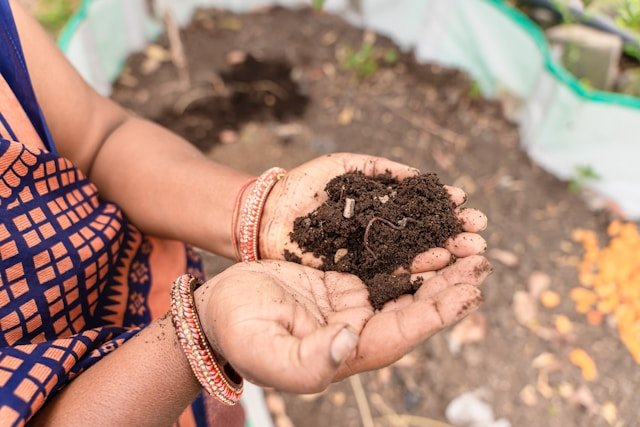
Natural fertilizers improve soil structure, increase water retention, and encourage beneficial microbes. Over time, this means stronger roots, greener leaves, and more abundant blooms or crops.

- THE ORIGINAL: Plant-tone is the original organic all-purpose plant food. Plant-tone’s natural organics break down slowly…
- FOR USE ON: Use Plant-tone organic fertilizer for flowers (annuals, perennials, and roses), Vegetables (tomatoes, pepper…
- CONTAINS: Plant-tone is a rich blend of the finest natural & organic ingredients enhanced with our exclusive Bio-tone fo…
DIY Natural Fertilizers
1. Banana Peel Fertilizer
Why It Works
Banana peels are rich in potassium, phosphorus, and calcium, essential nutrients for root strength, fruiting, and flowering.
How to Make It
- Chop banana peels into small pieces.
- Dry them in the sun or bake them at low heat.
- Grind the dried peels into powder or bury fresh peels directly into the soil.
- You can also soak peels in water for 48 hours to create “banana peel tea” for watering plants.
Best Plants to Use It On
Perfect for flowering plants like roses, tomatoes, and peppers that need a potassium boost.
2. Eggshell Fertilizer
Why It Works
Eggshells are a natural source of calcium carbonate, which helps strengthen cell walls and prevent problems like blossom-end rot in tomatoes and peppers.
How to Make It
- Rinse and dry your used eggshells.
- Crush or grind them into a fine powder.
- Mix the powder into the soil or sprinkle around the plant bases.
Pro Tip
Mix eggshell powder with used coffee grounds for a double nutrient punch of calcium and nitrogen!
3. Coffee Grounds Fertilizer
Why It Works
Used coffee grounds contain nitrogen, magnesium, and potassium, all vital nutrients for leafy growth.
How to Make It
- Spread used coffee grounds thinly on a tray to dry.
- Sprinkle them on top of the soil or mix them into compost.
- Avoid overuse; too much can make the soil acidic.
Best Plants
Great for acid-loving plants like azaleas, hydrangeas, blueberries, and roses.
4. Vegetable Scrap Compost
Why It Works
Vegetable scraps like peels, ends, and stems are packed with organic matter and nutrients that improve soil fertility.
How to Make It
- Collect scraps from vegetables (avoid meat or dairy).
- Add them to a compost bin or pile.
- Mix in dry materials like leaves or cardboard.
- Turn every few days to aerate.
Benefits
Compost not only nourishes your plants but also retains moisture and promotes earthworm activity.
5. Rice Water Fertilizer
Why It Works
When you rinse rice, the water becomes cloudy with starch and trace minerals. This water helps feed beneficial soil bacteria and supports root growth.
How to Use It
- Collect water from rinsing uncooked rice.
- Use it immediately to water plants.
- Repeat once a week for best results.
Best For
Indoor plants and seedlings benefit the most from this mild fertilizer.
6. Used Tea Fertilizer
Why It Works
Tea leaves contain tannic acid and essential minerals like nitrogen and potassium, which rejuvenate tired soil.
How to Make It
- After brewing tea, let the leaves or tea bags dry.
- Sprinkle them around plants or mix them into compost.
- Avoid using flavored or sweetened tea.
Best Plants
Perfect for roses, ferns, and potted houseplants.
7. Potato Water Fertilizer
Why It Works
Boiled potato water contains starch, iron, and phosphorus, excellent nutrients for growth.
How to Make It
- Save the water used to boil potatoes.
- Let it cool completely before using.
- Water your plants with it once every two weeks.
Pro Tip
Never add salt to the water; salty water will damage plant roots.
8. Onion and Garlic Peel Fertilizer
Why It Works
Onion and garlic peels contain sulfur, potassium, and calcium, key minerals that improve disease resistance and root health.
How to Make It
- Collect onion and garlic peels in a jar.
- Soak them in a liter of water for 24 hours.
- Strain and use the liquid as a foliar spray or soil drench.
Benefits
This natural fertilizer also helps deter pests like aphids and spider mites.
9. Molasses Fertilizer
Why It Works
Blackstrap molasses is rich in iron, calcium, and magnesium, plus it feeds beneficial microbes that improve soil health.
How to Make It
- Mix one tablespoon of molasses with one liter of water.
- Use it to water your plants or mix it into compost.
Best Plants
Fruit-bearing plants and flowers benefit the most from molasses-based feeding.
10. Aquarium Water Fertilizer
Why It Works
Used aquarium water contains fish waste rich in nitrogen and trace minerals, acting as a natural liquid fertilizer.
How to Use It
- When cleaning your fish tank, save the old water.
- Use it immediately to water outdoor plants.
Pro Tip
Avoid using saltwater; only freshwater aquarium water is safe for plants.
11. Epsom Salt Solution
Why It Works
Epsom salt provides magnesium and sulfur, two nutrients essential for photosynthesis and seed germination.
How to Make It
- Mix one tablespoon of Epsom salt in one gallon of water.
- Spray on leaves or pour directly into the soil.
Best Plants
Tomatoes, peppers, and roses thrive on Epsom salt feedings.
12. Stale Bread Compost
Why It Works
Stale bread adds carbohydrates to compost piles, feeding the bacteria that help break down organic matter faster.
How to Use It
- Tear bread into small pieces.
- Mix into compost or bury deep in the soil to prevent mold or pests.
Benefits
Speeds up compost decomposition and adds structure to your soil.
13. Citrus Peel Fertilizer
Why It Works
Citrus peels are packed with vitamin C, phosphorus, and nitrogen, plus they naturally repel insects.
How to Make It
- Dry citrus peels (lemon, orange, lime).
- Blend into powder.
- Mix with soil or use as a compost booster.
Pro Tip
Don’t overuse citrus can make the soil slightly acidic, which not all plants enjoy.
14. Bread Yeast Fertilizer
Why It Works
Yeast contains amino acids and natural enzymes that stimulate plant growth and microbial activity in soil.
How to Make It
- Mix one packet of yeast and one tablespoon of sugar in a liter of warm water.
- Let it sit for two hours.
- Dilute with five liters of water before using.
Best Plants
Vegetables, herbs, and flowering plants respond well to this quick-acting growth booster.
15. Cooking Water Fertilizer
Why It Works
Water used to boil vegetables or pasta absorbs minerals like calcium, iron, and potassium.
How to Use It
- Save the cooled, unsalted cooking water.
- Use it to water your plants once a week.
Benefits
Adds trace nutrients and helps maintain soil moisture.
Tips for Using DIY Natural Fertilizers
1. Don’t Overdo It
Even natural fertilizers can harm plants if used excessively. Always start with small amounts.
2. Rotate Fertilizers
Alternate between different types to balance nutrients and prevent buildup.
3. Watch Plant Reactions
Observe leaves and growth patterns. Yellow leaves may indicate too much nitrogen; brown tips might mean salt buildup.
4. Store Properly
Keep liquid fertilizers in airtight containers and use them within a week. Dry fertilizers can last longer when stored in cool, dry places.
FAQs About DIY Natural Fertilizers
1. How often should I apply DIY natural fertilizers?
Once every 2–4 weeks is usually enough. Compost and solid fertilizers can be mixed into the soil less frequently, while liquid ones can be used biweekly.
2. Are these fertilizers safe for indoor plants?
Yes, most are. Just avoid overwatering and ensure good drainage to prevent mold or odor buildup.
3. Can I combine different fertilizers?
You can mix some, like banana peel tea and eggshell powder, but don’t mix acidic fertilizers (like citrus) with alkaline ones (like eggshell).
4. Do DIY fertilizers work as well as store-bought ones?
In most cases, yes. They release nutrients slowly and improve soil quality naturally, making them excellent for long-term plant health.
5. What should I avoid adding to DIY fertilizers?
Never use meat, dairy, or oily food waste. These attract pests, produce odors, and can harm soil microbes.
Conclusion
Generally, make sure you do these things correctly, use clean ingredients, avoid salt and grease, and apply in moderation. If you can’t figure out which fertilizer your plant needs, start small and observe the results. And if you’re still unsure, ask an experienced gardener or local plant nursery for advice.
By reusing your kitchen waste wisely, you’re not just feeding your plants, you’re reducing waste, saving money, and contributing to a healthier planet. That’s the real beauty of DIY natural fertilizers.