How to Choose the Right Fertilizer for Each Vegetable (Understanding N-P-K)
Grab Your FREE -> How to Grow 5 Powerful Healing Herbs in Your Own Backyard — Even If You’ve Never Grown a Plant Before!
If your vegetables look pale, grow slowly, or produce fewer fruits, your soil may lack the right nutrients. However, if this is the problem, the result might be weak roots and low yields. To fix this, you need to understand N-P-K and, more importantly, how to choose the right fertilizer for your garden.
Every vegetable has different nutrient needs, and once you know what N-P-K stands for, selecting the right fertilizer becomes simple. Let’s break it down step by step so you can grow healthier, more productive vegetables.
N-P-K represents the three key nutrients in fertilizers: Nitrogen (N), Phosphorus (P), and Potassium (K). Each plays a vital role in plant growth. The right fertilizer ratio depends on the vegetable type and its growth stage. Keep reading to learn how to choose correctly for your crops.
Why N-P-K Matters in Gardening
Fertilizers aren’t all the same; they’re made with different nutrient ratios depending on what your plants need.
N-P-K refers to:
- N (Nitrogen): Helps leafy growth and green color.
- P (Phosphorus): Encourages strong roots and flowering.
- K (Potassium): Builds disease resistance and boosts fruit production.
When these three nutrients are balanced correctly, your vegetables thrive. Too much or too little of any one element, though, can cause problems like yellow leaves, weak roots, or poor harvests.
Understanding how to choose the right fertilizer starts with learning which vegetables prefer which nutrient balance.
1. Understanding Nitrogen (N): The Leaf Builder
Nitrogen is what makes your plants look lush and green. It’s essential for leaf development, which is why nitrogen-rich fertilizers are great for leafy vegetables.
However, too much nitrogen can cause your plants to focus on leaves instead of fruits or roots, resulting in big green leaves but no harvest.
Vegetables That Love Nitrogen:
Best Fertilizer Ratio: 10-5-5 or 12-6-6

- Steady and Consistent Nutrient Release: Features a controlled-release formula with polymer-coated urea that provides a c…
- Encourages More Blooms and Stronger Flower Production: Specifically formulated to support ornamental plants, this plant …
- Deepens and Enriches Color for a More Vibrant Landscape: Packed with key nutrients, this flower food helps elevate the f…
Tip: Use nitrogen-rich fertilizers early in the growing season to support strong, leafy growth before flowering or fruiting begins.
2. Understanding Phosphorus (P): The Root and Flower Developer
Phosphorus helps with root formation, seed development, and flowering. It’s especially important for young plants or root crops that need deep, healthy roots to grow.
Without enough phosphorus, plants struggle to establish roots and may show purplish or dark leaves, a classic deficiency sign.
Vegetables That Need More Phosphorus:
Best Fertilizer Ratio: 5-10-10 or 4-12-4

- PREMIUM QUALITY INGREDIENTS – Cz Garden 5-10-10 is all-purpose fertilizer for all indoor/outdoor flowers, lawn, and gard…
- RESEALABLE, EASY POUR PACKAGING: Cz Garden 5-10-10 Tomato & Vegetable fertilizer comes sealed in a 4LB heavy duty reseal…
- COUNTRY OF ORIGIN: USA – Cz Garden fertilizers and soil amendments are manufactured in the USA from the highest quality …
Tip: Mix phosphorus-rich fertilizer into the soil before planting so roots can absorb it immediately.
3. Understanding Potassium (K): The Fruit and Strength Booster
Potassium, also called potash, improves overall plant health, disease resistance, and fruit quality. It helps vegetables produce firm, tasty, and colorful fruits.
A deficiency in potassium causes yellow leaf edges, weak stems, and poor yields.
Vegetables That Need Potassium:
Best Fertilizer Ratio: 5-5-10 or 6-6-12
Tip: Add potassium-rich fertilizer during flowering and fruiting stages to support strong plant structure and improve crop quality.
Please enter product(-s) ASIN(-s)!4. How to Read Fertilizer Labels (N-P-K Ratios Explained)
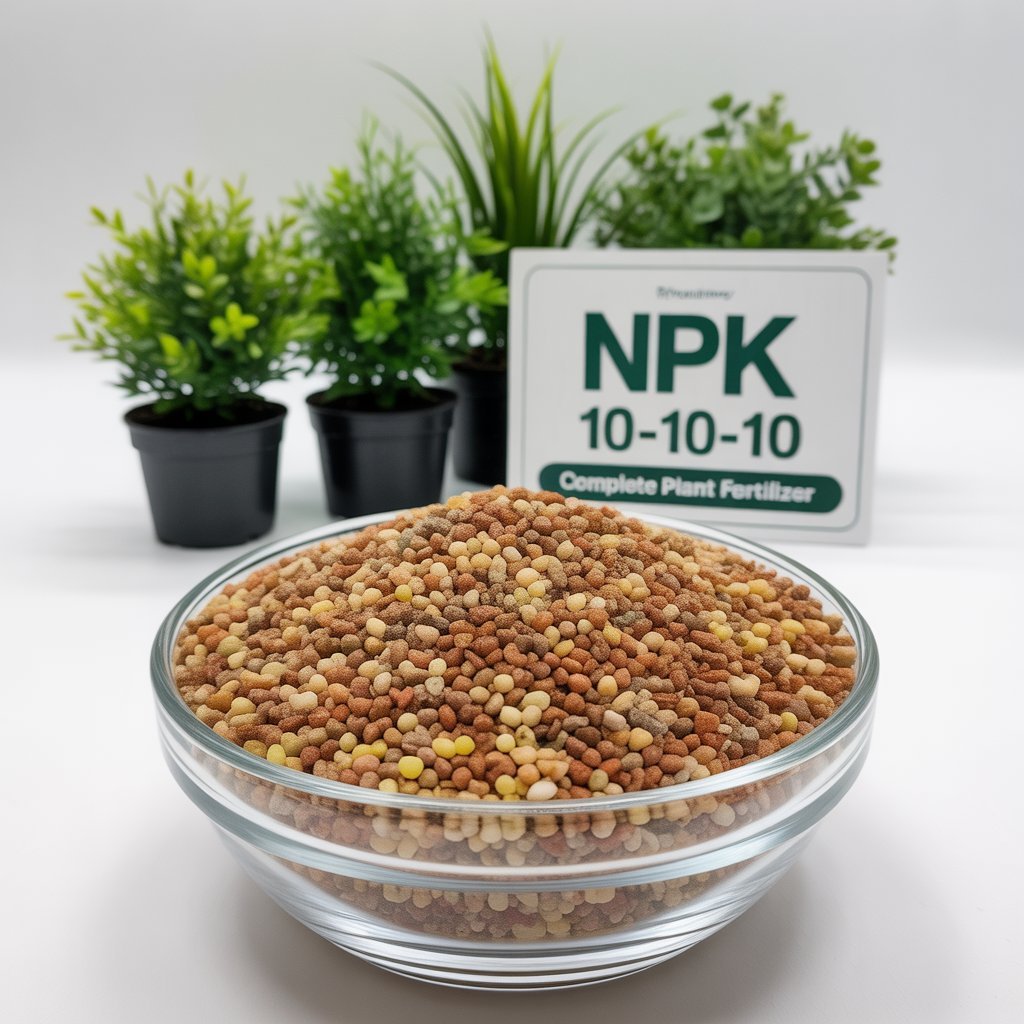
Every fertilizer bag shows three numbers, such as 10-10-10 or 5-10-5. These numbers represent the percentage of nitrogen, phosphorus, and potassium it contains.
For example:
- 10-10-10: Balanced fertilizer (equal nutrients)
- 5-10-10: Higher phosphorus and potassium (for roots and fruits)
- 12-6-6: Higher nitrogen (for leafy vegetables)
Knowing how to interpret these numbers makes it easy to choose the right fertilizer for each vegetable type and growth stage.
5. Matching Fertilizers to Vegetable Types
Different vegetables have unique nutrient needs. Here’s a simple breakdown to guide you:
Leafy Vegetables (Spinach, Lettuce, Kale)
- Need more nitrogen early on.
- Recommended Ratio: 10-5-5 or 12-6-6.
Root Vegetables (Carrots, Beets, Onions)
- Need phosphorus for strong roots.
- Recommended Ratio: 5-10-10 or 4-12-4.
Fruit Vegetables (Tomatoes, Peppers, Cucumbers)
- Need balanced N-P-K early, then more potassium later.
- Recommended Ratio: Start with 10-10-10, switch to 5-5-10 during fruiting.
Legumes (Beans, Peas, Lentils)
- Naturally fix nitrogen, so they need more phosphorus and potassium.
- Recommended Ratio: 5-10-10.
Herbs (Basil, Parsley, Cilantro)
- Prefer balanced fertilizers for consistent growth.
- Recommended Ratio: 10-10-10.
6. Organic Fertilizer Options for Each Nutrient
If you prefer natural gardening, you can find organic sources for each N-P-K nutrient:
Nitrogen Sources:
- Compost or manure
- Coffee grounds
- Blood meal
Phosphorus Sources:
- Bone meal
- Fish meal
- Rock phosphate
Potassium Sources:
- Wood ash
- Kelp meal
- Banana peel compost
These natural alternatives release nutrients slowly and improve soil health over time, making them ideal for long-term vegetable gardening.
7. Choosing Fertilizer Based on Growth Stage
Vegetables need different nutrients at different times. Using the same fertilizer throughout the season may not always give the best results.
1. Seedling Stage:
Use mild nitrogen-rich fertilizer (e.g., 5-5-5) to help leaves and stems develop.
2. Vegetative Stage:
Increase nitrogen and phosphorus for steady growth and root support (e.g., 10-5-5).
3. Flowering/Fruiting Stage:
Switch to high-potassium fertilizer (e.g., 5-10-10) to enhance fruit set and flavor.
4. End of Season:
Use balanced or organic compost to prepare soil for the next planting cycle.
Timing your fertilizer applications this way ensures your plants get exactly what they need, when they need it.
8. Liquid vs. Granular Fertilizers for Vegetables
When learning how to choose the right fertilizer, you’ll also decide between liquid and granular types.
Liquid Fertilizers:
- Work fast and are great for correcting deficiencies.
- Ideal for potted plants and young vegetables.
- Need frequent application.
Granular Fertilizers:
- Release nutrients slowly over weeks or months.
- Perfect for large garden beds and root vegetables.
- Require less maintenance.
For the best results, combine both: use granular fertilizers for long-term feeding and supplement with liquid fertilizers when plants need a quick boost.
9. Signs Your Vegetables Are Lacking Nutrients
Knowing what deficiency looks like helps you adjust fertilizer use quickly:
| Problem | Possible Deficiency | Solution |
|---|---|---|
| Yellow leaves | Nitrogen | Apply compost or nitrogen fertilizer |
| Purple leaves | Phosphorus | Use bone meal or phosphorus fertilizer |
| Yellow edges | Potassium | Add kelp meal or potassium fertilizer |
| Stunted growth | All nutrients | Apply balanced 10-10-10 fertilizer |
| Weak stems | Potassium/Nitrogen | Use organic compost or fish emulsion |
By observing these early warning signs, you can prevent poor harvests and save your plants from stress.
10. Fertilizer Mistakes to Avoid
Even with the right knowledge, fertilizer mistakes can hurt your garden. Watch out for these common ones:
1. Over-Fertilizing
Too much fertilizer can “burn” plant roots, causing brown tips or stunted growth. Always follow recommended doses.
2. Fertilizing Dry Soil
Applying fertilizer to dry soil can shock roots. Always water before and after applying.
3. Ignoring Soil Testing
Without testing your soil, you’re guessing what nutrients it needs. A simple soil test reveals deficiencies and ideal N-P-K levels.
4. Using the Wrong Ratio
Feeding tomatoes with a high-nitrogen fertilizer can lead to leafy plants with no fruit. Match ratios carefully to the vegetable type.
5. Fertilizing Too Late
Avoid heavy fertilization at the end of the growing season it can delay ripening and reduce quality.
FAQs About Choosing the Right Fertilizer
1. How do I know what fertilizer my soil needs?
Do a soil test before planting. It will show which nutrients are lacking so you can choose the right N-P-K ratio.
2. Can I use the same fertilizer for all vegetables?
Not ideally. Leafy, root, and fruiting vegetables each need different nutrient balances for the best results.
3. Is organic fertilizer better than synthetic?
Organic fertilizers improve soil health long-term, while synthetic fertilizers work faster. Using both in moderation can offer the best of both worlds.
4. How often should I fertilize my vegetable garden?
Every 3–4 weeks for liquid fertilizers or every 6–8 weeks for granular ones. Always adjust based on plant growth and soil quality.
5. Can I make homemade fertilizer for vegetables?
Yes! Compost tea, banana peel water, and eggshell powder are great homemade options that add nutrients naturally.
Conclusion
Generally, make sure you do these things correctly, match the right fertilizer to the right vegetable, watch your plants’ reactions, and never overdo it. If you can’t figure out what your soil or plants need, ask your local garden center or extension service for help.
When you understand N-P-K and how to choose the right fertilizer, you take the guesswork out of gardening. With balanced nutrients, your vegetables will grow stronger, produce better yields, and reward you with a healthy, thriving garden season after season.