How to Grow Cantaloupe – Gardens, Pots, and Containers

Grab Your FREE -> How to Grow 5 Powerful Healing Herbs in Your Own Backyard — Even If You’ve Never Grown a Plant Before!
How
Growing cantaloupe in your garden can be a fun and rewarding experience. You can enjoy a bountiful harvest of these tasty vegetables with the proper care and attention. If you’re new to gardening, don’t worry – it’s not as difficult as you may think. With some planning and care, you can have a thriving cantaloupe garden. Here’s everything you need to know about how to grow cantaloupe – Gardens, Pots, and Containers.
About Cantaloupe
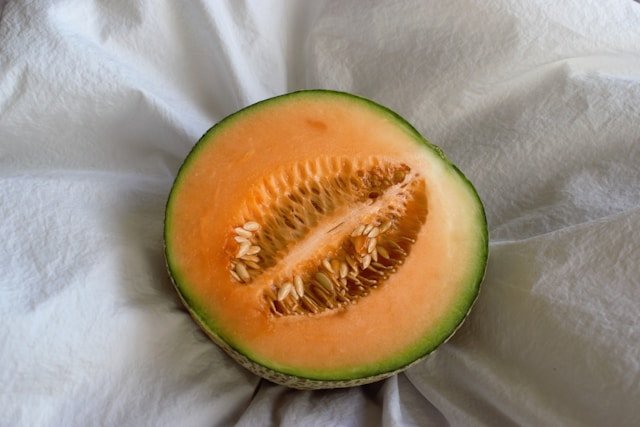
Cantaloupe are delicious and nutritious fruits that many people worldwide enjoy. They are native to the Middle East and India and are also known botanical name “Cucumis melo” Cantaloupe are an excellent source of vitamins and minerals, making them a healthy addition to any diet. They are also effortless to grow, making them a popular choice for gardeners of all skill levels.
Planting Cantaloupe
Please continue reading to learn more about how to plant cantaloupe. We’ll explore everything you need to know about growing cantaloupe, from choosing the right place to caring for your plants and harvesting the perfect crop.
When to Plant Cantaloupe
Knowing when to plant cantaloupe is crucial for a successful harvest. Depending on your location, the best time to plant cantaloupe is in the spring, summer, fall, after the last frost.
The ideal temperature for planting cantaloupe should be between 65°-95°F. If it is above the perfect temperature or below 50°F, it adversely affects the yield and quality of the harvest.
If you live in the United States, check out the USDA’s Plant Hardiness Zones for more help regarding frost and the best dates for planting in your area.
Where to Plant Cantaloupe
When planting cantaloupe, choosing a location with well-draining soil and plenty of sunlight is essential. So choose a spot in your garden with at least eight to ten hours of direct sunlight daily.
Cantaloupe plants also need enough space to grow, as they can spread out to a width of 2-3 feet. Consider building raised beds or amending the soil with compost or sand to improve drainage and fertility.
How to Prepare Soil for Cantaloupe
The first step in preparing your soil for cantaloupe is to test its pH. Cantaloupe plants prefer a soil pH between 6.0 to 6.5. You can test the pH of your soil using a soil testing kit. You can purchase a soil pH test kit at your local garden center or on Amazon.
If your soil is too alkaline or acidic, it can be difficult for the plants to absorb the nutrients they need to grow. Soil is too acidic or alkaline, and you can amend it with lime or sulfur to adjust the pH level.
Cantaloupe need well-draining soil to thrive. If your soil is heavy or poorly drained, you can improve it by adding compost or other organic matter. You can also add sand to the soil to improve drainage. Make sure to mix the compost or sand well with the existing soil.
Before planting, it is essential to add fertilizer to your soil. You can use a fertilizer such as 5-10-10, or you can use a fertilizer that is specifically for cantaloupe. Follow the instructions on the fertilizer package for the appropriate amount to use.
How to Plant Cantaloupe
Once you’ve found the right spot and prepared your soil in your garden, it’s time to plant your cantaloupe.
Plant your cantaloupe seeds or seedlings about one inch deep and about 2-3 feet apart. If you are transplanting, plant them at the same depth they were growing in the container. Cantaloupe can be planted the seeds, garden transplanted later.
Plant them deep enough so that the base of the plant is just below the soil surface. After planting, be sure to water the soil thoroughly. Cantaloupe seeds typically take about 5 to 10 days to germinate fully.
Growing Cantaloupe
Please continue reading to learn more about how to grow cantaloupe. We’ll explore everything you need to know about growing cantaloupe, from feeding to caring for your plants and harvesting the perfect crop.
How to Feed Cantaloupe
Cantaloupe require about one to two inches inch of water per week without rainfall or irrigation. They should be watered deeply, rather than frequently, to encourage deep root growth. It is essential to keep the soil consistently moist but not waterlogged.
A good rule of thumb is to water when the top inch of soil is dry. If the soil is dry, it’s time to water. Overwatering can lead to root rot, which can be fatal to the plant.
Cantaloupe also need to be fertilized regularly. They prefer a balanced fertilizer, such as a 5-10-10. You can also use a fertilizer specific to vegetables.
Also, they require consistent moisture and fertilization. Apply fertilizer every every 2 weeks until harvest. In addition, it is essential to remove the dead flowers, leaves, and thistle-like parts of the plant. This will help to prevent pests and diseases.
Mulching around your cantaloupe can help to retain moisture in the soil, suppress weeds, and regulate soil temperature. Use a 2-3 inch layer of organic mulch, such as straw or leaves, around the base of each plant.
Planting Cantaloupe in Pots and Containers
Please continue reading to learn more about how to grow cantaloupe in pots and containers. We’ll explore everything you need to know about growing cantaloupe in pots and containers, from planting to caring for your plants and harvesting the perfect crop.
Choosing the right Containers for Cantaloupe
Choosing the correct container for their growth and success is important if you’re planning to grow cantaloupe in containers. A minimum of a 5-gallon container is recommended, with a depth of at least 12 inches. It’s also a good idea to choose a container with drainage holes to help prevent excess water from accumulating and potentially damaging the roots.
When choosing the material for your container, consider using a material that allows for better air circulation and helps prevent the soil from becoming compacted, such as wood, ceramic, or plastic with lots of holes. Make sure to choose a location for your container that gets full sun or direct sunlight each day.
How to Plant Cantaloupe in Pots and Containers
When planting your cantaloupe, place them about one inch apart in the container and cover them with about 1/4 inch of soil. Water the seeds well to help them establish themselves.
If you are planting multiple plants in the same container, choose a large container to accommodate the plants without crowding. After planting, be sure to water the soil thoroughly.
Harvesting Cantaloupe
Please continue reading to learn more about how to harvest cantaloupe. We’ll explore everything you need to know about when to harvest the perfect crop.
When to Harvest Cantaloupe
Once your cantaloupe are established, they need regular care to ensure a bountiful harvest. This includes regular watering, fertilizing, and pest control. With the right care and attention, your cantaloupe will be ready to harvest about 85 days days after planting. The exact time will depend on factors such as the variety of cantaloupe, the weather, and the care the plants receive.
Finally, be sure to harvest your cantaloupe at the right time. They are ready to harvest when cantaloupe plants are 15 to 20 inches inches tall and about 2-3 feet in diameter.
FAQs
Do Cantaloupe Need Full Sun?
Yes, cantaloupe generally require full sun, which means they need at least eight to ten hours of direct sunlight per day to grow well and produce a bountiful harvest of large cantaloupe.
The full sun helps the plant develop solid stems and promotes healthy growth, essential for producing high-quality cantaloupe. In areas with hot climates, it is crucial to provide some shade during the hottest part of the day to prevent the plants from getting stressed.
However, cantaloupe can tolerate a bit more shade in cooler climates but still need plenty of sunlight to thrive. So, it’s best to choose a location for your cantaloupe that provides full sun for most of the day.
How Often Do You Water Cantaloupe?
Cantaloupe need a consistent moisture supply to grow correctly and produce healthy, plump buds. However, it’s important not to over-water them, as this can lead to root rot.
As a general guideline, it’s recommended to water cantaloupe deeply once or twice a week, depending on the weather conditions in your area. During hot and dry spells, you may need to water more frequently, while in more incredible, wetter weather, you may be able to water less.
To determine whether your cantaloupe need water, stick your finger into the soil near the base of the plant. If the soil feels dry to the touch, it’s time to water. If the soil feels moist, wait a few more days before checking again.
Remember, the key is to keep the soil evenly moist, not waterlogged. So, provide enough water to reach the roots and allow the soil to drain well so that the roots don’t sit in standing water.
Do Cantaloupe Need A Lot Of Fertilizer?
Cantaloupe only require a little fertilizer to grow well. Too much fertilizer can harm the plants and reduce the quality of the buds.
It’s best to amend the soil with a balanced, slow-release organic fertilizer before planting the cantaloupe to provide them with a steady supply of nutrients throughout the growing season. After that, additional fertilizer may only be necessary if you notice that the plants are not growing as well as they should.
If you need to apply fertilizer, a balanced, all-purpose fertilizer with a ratio of 5-10-10 spreads evenly over the soil and water in a well. You can also use a side-dressing of compost or well-rotted manure in late spring or early summer.
It’s essential to follow the fertilizer package instructions and not over-fertilize, as this can lead to leaf burn and other problems.
How Long Do Cantaloupe Take To Grow?
The growth time for cantaloupe varies depending on the variety and growing conditions, but typically, it takes about 85 days from seed to harvest.
The exact time to harvest will depend on the variety, the weather conditions, and the desired size of the plant. Generally, cantaloupe are ready to harvest when cantaloupe plants are 15 to 20 inches tall and about 2-3 feet in diameter.
What Temperature Kills Cantaloupe?
Cantaloupe are not very cold-tolerant and can be damaged or killed by temperatures below 32°F (0°C). Even a light frost can damage tender growth, so protecting the plants from cold weather is crucial.
In areas with cold winters, it’s also essential to choose a planting site that provides some protection from cold winds and to mulch the plants well to help insulate the roots. Covering the plants with frost cloth or row covers can also provide extra protection from frost.
If you experience a freeze, wait until the weather warms up before checking the plants. Cut back any damaged foliage, but leave the healthy growth intact. With proper care, the plants should recover and produce another crop.
Conclusion
In conclusion, planting cantaloupe in your garden can be a rewarding experience. By following these tips, you can ensure successful growth and a bountiful harvest.
Whether you’re a seasoned gardener or a first-time grower, cantaloupe are a great addition to any garden. They are sure to become a staple in your home-grown produce with their delicious flavor and many health benefits.
With the right location and care, you can enjoy delicious and nutritious cantaloupe from your garden for years to come. Happy gardening!