
How to Improve Poor Garden Soil Naturally (No Chemicals Needed)

Grab Your FREE -> How to Grow 5 Powerful Healing Herbs in Your Own Backyard — Even If You’ve Never Grown a Plant Before!
If your vegetables struggle to grow or your soil feels dry, hard, or lifeless, you’re probably wondering how to improve poor garden soil naturally.
It’s good like this when your soil is dark, crumbly, and full of worms; your plants thrive effortlessly. However, if your garden bed looks dull and compacted, the result might be stunted growth, yellow leaves, or even complete crop failure.
The good news? You don’t need expensive fertilizers or synthetic chemicals. You can completely transform your soil using simple, natural methods that work with nature, not against it.
In this guide, you’ll learn the best organic techniques to restore poor garden soil so your plants can grow stronger, healthier, and more productive every season.
To improve poor garden soil naturally, add organic matter like compost, aged manure, and mulch. These materials boost nutrients, improve structure, and increase beneficial microbes. Planting cover crops, reducing tilling, and maintaining soil moisture also help rebuild healthy, living soil over time.
Why Poor Soil Happens
Before fixing your soil, it helps to understand what causes it to become poor in the first place.
Common reasons include:
- Over-tilling or compacting the soil
- Lack of organic matter
- Chemical fertilizer buildup
- Poor drainage or erosion
- Neglect or overuse of one crop type
Healthy soil isn’t just dirt; it’s a living ecosystem full of air pockets, nutrients, and microorganisms. When that system breaks down, plants can’t get what they need to grow.
The goal is to rebuild soil life naturally, and that’s exactly what we’ll cover next.
How to Improve Poor Garden Soil Naturally (Step-by-Step)
Solution 1: Add Organic Matter Regularly
The fastest and most effective way to revive poor soil is by adding organic matter.
Organic matter improves texture, fertility, and moisture balance. It feeds earthworms and microbes, which in turn release nutrients for your plants.
Best organic materials to use:
- Compost: Enriches soil with nutrients and microbes.
- Aged Manure: Adds nitrogen and improves soil texture.
- Worm Castings: Boosts beneficial bacteria.
- Leaf Mold: Helps retain water and loosen compacted soil.
💡 Pro Tip: Apply 2–3 inches of compost or organic matter to your garden beds every spring and fall.
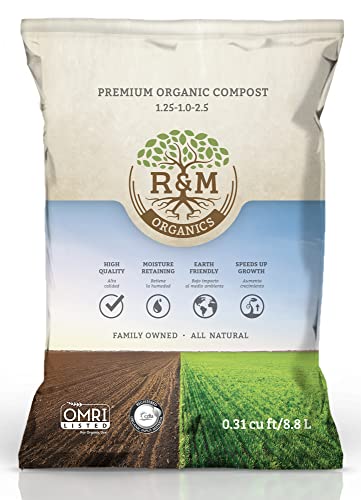
- All-purpose fertilizer. Derived from 100% dairy cow manure, our compost helps improve your soil by bringing needed nutri…
- Quarter inch, it’s a cinch. Thanks to the compost’s high nutrient value, all it takes is roughly a quarter inch layer to…
- Low odor. Our organic compost goes through a complete composting process. During the composting process, the compost is …
Solution 2: Use Mulch to Protect and Enrich Soil
Mulch acts like a blanket for your soil, keeping it cool, moist, and protected.
Benefits of mulching:
- Prevents soil erosion
- Suppresses weeds naturally
- Retains water during hot weather
- Gradually adds nutrients as it breaks down
Best natural mulches:
- Straw or hay (chemical-free)
- Shredded leaves
- Wood chips (for paths and around perennials)
- Grass clippings (thin layers only)
💡 Pro Tip: Keep mulch a few inches away from plant stems to prevent rot.
Solution 3: Grow Cover Crops (Green Manure)
Cover crops are one of the most underrated ways to improve poor garden soil naturally.
These fast-growing plants cover your soil between growing seasons, protecting it from erosion and feeding it with organic matter when turned under.
Best cover crops for vegetable gardens:
- Clover: Fixes nitrogen.
- Rye or oats: Adds biomass and prevents weeds.
- Vetch: Loosens compacted soil.
When the plants mature, chop them down and mix them lightly into the soil. They’ll decompose into rich organic matter that rejuvenates your garden bed.
Solution 4: Avoid Over-Tilling
It’s tempting to till your soil deeply every season, but over-tilling can destroy the natural soil structure.
Why that’s bad:
- Breaks apart beneficial fungal networks
- Reduces moisture retention
- Increases erosion and compaction
Instead, use no-till or low-till gardening methods:
- Add compost on top of the soil.
- Let earthworms do the digging for you.
- Use a garden fork to gently loosen compacted areas.
💡 Bonus: No-till gardens also reduce weeds over time and save energy.
Solution 5: Balance Soil pH Naturally
Soil that’s too acidic or too alkaline blocks nutrient absorption, no matter how much fertilizer you add.
How to fix it:
- Test your soil using a simple home pH test kit.
- If the soil is acidic (pH < 6), add garden lime or wood ash.
- If the soil is alkaline (pH > 7.5), mix in sulfur, pine needles, or composted leaves.
💡 Pro Tip: Always retest your soil after 4–6 weeks before adding more amendments.
Solution 6: Encourage Beneficial Soil Life
Worms, fungi, and microbes are your garden’s invisible helpers. They break down organic matter and release nutrients plants can absorb.
How to boost soil life:
- Avoid chemical fertilizers and pesticides.
- Add compost tea or worm castings.
- Keep the soil moist (but not soggy).
- Grow a mix of plants to support biodiversity.
💡 Try this: Make aerated compost tea by steeping compost in water for 24 hours, then pour it around your plants for a natural microbial boost.
Solution 7: Improve Drainage Naturally
If water pools in your garden or roots rot, poor drainage is the problem.
Fix it naturally:
- Mix sand or perlite into heavy clay soil.
- Add organic matter to improve structure.
- Create raised beds for better water flow.
- Avoid walking on wet soil to prevent compaction.
💧 Pro Tip: Water slowly and deeply to encourage deep root growth.
Solution 8: Rotate Crops Each Season
Planting the same crop in the same spot every year depletes specific nutrients and encourages pests.
Instead:
- Rotate crops based on plant families (e.g., tomatoes → beans → greens).
- Follow heavy feeders (like corn) with light feeders (like lettuce).
- Plant legumes regularly; they add nitrogen naturally.
💡 Result: Soil stays balanced and productive year after year.
Signs of Healthy, Rebuilt Soil
When your efforts start paying off, you’ll notice:
✅ Dark, crumbly texture
✅ Earthworms in every shovel
✅ Healthy root systems
✅ Fewer weeds and diseases
✅ Consistent moisture levels
At this point, your soil becomes self-sustaining; all it needs is seasonal compost and mulch to stay fertile.
F.A.Q
1. How long does it take to improve poor soil naturally?
It depends on how damaged the soil is, but noticeable improvement usually takes one growing season.
2. Can I improve poor soil in raised beds?
Yes, add compost, worm castings, and organic mulch regularly. Raised beds actually make soil improvement easier.
3. What’s the best compost for poor soil?
Aged compost made from kitchen scraps, leaves, and garden waste works best.
4. Should I use chemical fertilizer while improving soil naturally?
Avoid it. Chemicals disrupt microbial balance and slow long-term recovery. Stick to compost and organic matter.
5. How do I keep soil healthy after improving it?
Add compost every spring and fall, mulch year-round, and avoid compacting or over-tilling your soil.
Conclusion
Generally, make sure you do these things correctly:
- Feed your soil with organic matter regularly.
- Keep it covered with mulch or cover crops.
- Avoid chemicals and over-tilling.
- Encourage earthworms and beneficial microbes.
If you can’t figure it out, ask someone for help or just start small with one bed at a time.
Nature is incredibly forgiving. Once you learn how to improve poor garden soil naturally, your garden will come alive, full of rich, dark soil that grows stronger, healthier vegetables with every season.


