
Peperomia Stem Turning Black? Here’s What’s Going On
Grab Your FREE -> How to Grow 5 Powerful Healing Herbs in Your Own Backyard — Even If You’ve Never Grown a Plant Before!
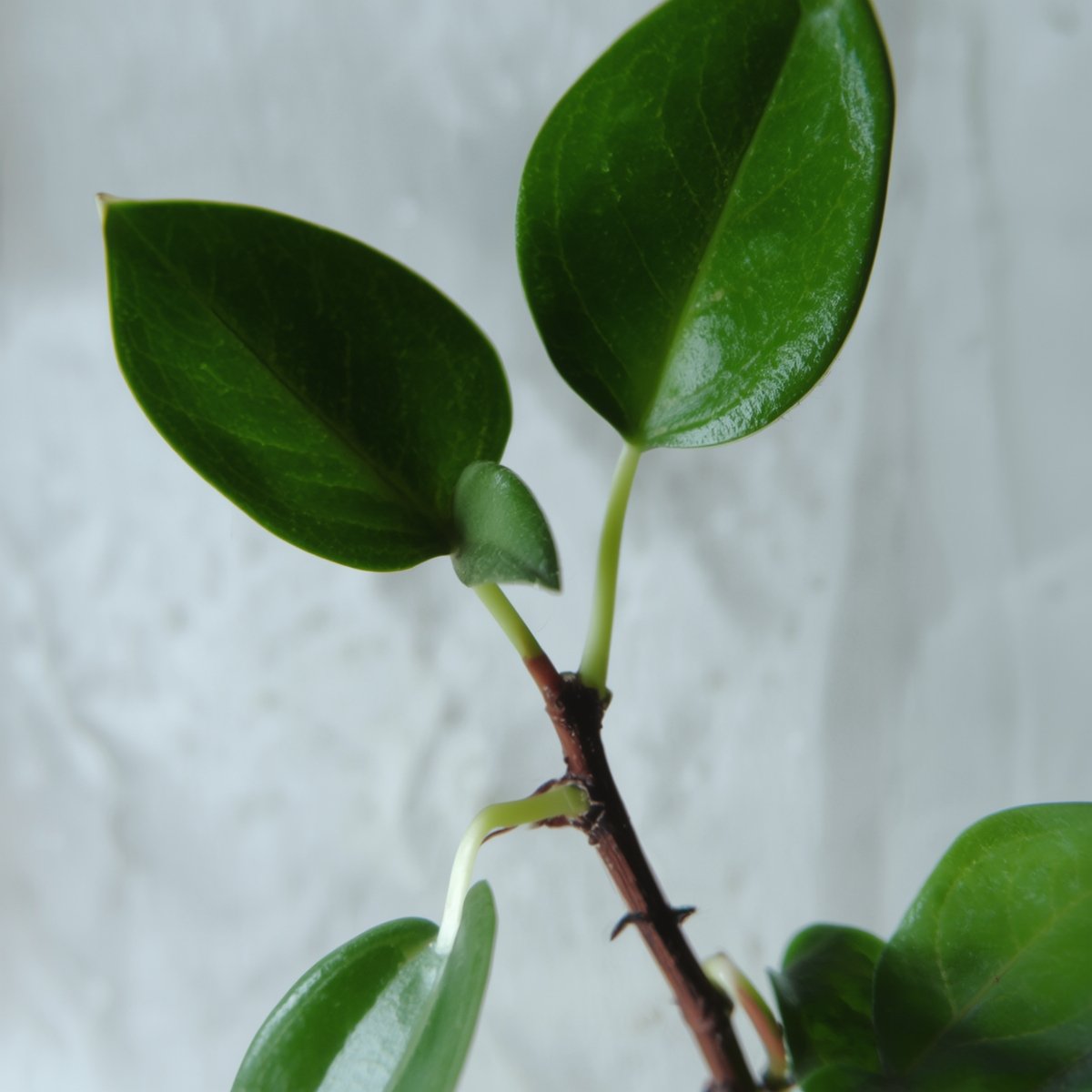
Your peperomia’s glossy green leaves and compact size make it one of the easiest indoor plants to love. It’s good like this, simple, hardy, and beautiful.
However, if your peperomia stem is turning black, something’s wrong. Left untreated, this problem can lead to mushy stems and even kill your plant.
A peperomia stem turns black due to overwatering, poor drainage, or root rot. Too much moisture suffocates roots, causing them to decay and blacken the stem. Fungal infections or cold stress can also darken and soften the plant’s base.
Keep reading to learn how to identify the cause and how to save your peperomia before it’s too late.
Why Peperomia Stems Turning Black (and How to Fix It)
Check for Overwatering and Root Rot
The Cause:
Peperomias are semi-succulent, meaning they store water in their leaves and stems. They don’t like sitting in wet soil. When you water too often or the pot doesn’t drain properly, oxygen can’t reach the roots. This creates the perfect environment for root rot, a fungal condition that slowly kills the plant from below.
How to Identify It:
- The stem feels soft or mushy at the base.
- Leaves may start to droop or yellow.
- The soil feels wet even days after watering.
The Fix:
- Gently remove the plant from its pot and inspect the roots.
- Trim away any black, slimy, or rotten roots using sterilized scissors.
- Repot into fresh, well-draining soil. A mix of potting soil, perlite, and orchid bark works great.
- Water lightly and allow the top inch of soil to dry before watering again.
Improve Drainage and Airflow
The Cause:
Even if you water correctly, your peperomia can still suffer if the pot doesn’t drain well. Without drainage holes or airy soil, water pools at the bottom, suffocating the roots and darkening the stem base.
How to Identify It:
- Water takes a long time to drain.
- The bottom of the pot stays damp while the top dries out.
- The plant starts to wilt even though the soil seems moist.
The Fix:
- Use a pot with drainage holes.
- Add perlite, pumice, or coarse sand to the potting mix to increase airflow.
- Empty any excess water from saucers after watering.
Fungal or Bacterial Infection
The Cause:
When moisture lingers on leaves or soil, it can lead to fungal infections that spread quickly through the plant’s stems. Over time, this can turn parts of the stem black, slimy, or moldy.
How to Identify It:
- You notice black spots on stems or leaves.
- A musty smell or visible mold appears on the soil surface.
- The blackening spreads even when watering is reduced.
The Fix:
- Prune off any visibly infected stems with sterilized scissors.
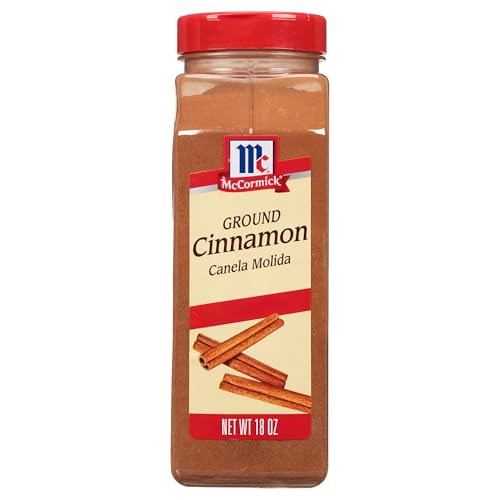
- Dust the cuts with cinnamon powder (a natural fungicide) or use a mild antifungal spray.
- Increase airflow by moving the plant to a bright, dry area with good circulation.
- Avoid misting the leaves. Peperomias prefer moderate humidity, not constant dampness.
Cold Stress or Temperature Shock
The Cause:
Peperomia plants love warm, stable environments. Exposure to cold drafts, sudden temperature changes, or being too close to an air conditioner can cause cells in the stems to die off, turning them black or brown.
How to Identify It:
- The damage appears suddenly after a cold night.
- The blackened parts feel dry or shriveled (not mushy).
- The plant was recently moved or repotted near a cold window.
The Fix:
- Keep peperomias in temperatures between 65°F and 75°F (18°C–24°C).
- Avoid placing them near windows in winter or vents in summer.
- Use a humidity tray or room humidifier if indoor air is too dry.
Pest Damage
The Cause:
Sometimes, tiny pests such as fungus gnats, mealybugs, or spider mites can attack the base of the stem. When they feed on plant tissue, they leave wounds that become infected and blacken over time.
How to Identify It:
- Small bugs crawling on soil or leaves.
- Sticky residue (honeydew) on the plant surface.
- Yellowing leaves and weak stems.
The Fix:
- Wash the plant with mild soapy water or neem oil solution.
- Replace the top layer of soil if pests are in the pot.
- Quarantine the plant to prevent spreading to others.
How Do You Treat Peperomia Stem Turning Black?
Here it is called “Black Leg” or rot. Pathogens – fungi Olpidium, Pythium, Rhizoctonia, etc., which live in the surface layer of the soil and feed mainly on dead plant tissues. But with high humidity, fungi do not refuse living green organisms and “pass” to the stem of the plant. I would cut off, then dry a little, and put it in a light soil so that the plant would give new roots. Healthy leaves can also be used.
F.A.Q. (Frequently Asked Questions)
1. Can a peperomia recover from stem rot?
Yes you catch it early. Trim the damaged parts, treat the roots, and repot in fresh, dry soil. Most peperomias bounce back quickly once conditions improve.
2. How often should I water my peperomia?
About every 7–10 days in warm months, and less in winter. Always check that the top inch of soil is dry before watering.
3. Should I mist my peperomia?
Light misting is okay, but don’t overdo it. Too much moisture encourages fungus. Instead, use a humidity tray if your air is dry.
4. What soil is best for peperomia?
Use a light, well-draining mix made from potting soil, perlite, and orchid bark. Avoid dense or clay-heavy mixes.
5. Can I propagate peperomia if the stem turns black?
Yes. Cut off a healthy section above the black area and root it in water or soil. It’s a great way to save the plant.
Conclusion about Peperomia Stem Turning Black
If your peperomia stem is turning black, don’t panic, it’s a common issue with an easy fix. Most of the time, it’s due to too much water, poor drainage, or a fungal infection, and your plant can recover once conditions improve.
Generally, make sure you do these things correctly:
- Water only when the top inch of soil is dry.
- Keep the plant in bright, indirect light.
- Use a potting mix that drains well.
- Avoid overwatering, misting, or cold drafts.
If you can’t figure it out, ask someone for help or take a photo to your local nursery for advice. With the right care, your peperomia will stay healthy, green, and beautiful for years to come


