Signs Your Vegetable Plants Need Fertilizer (Before It’s Too Late)
Grab Your FREE -> How to Grow 5 Powerful Healing Herbs in Your Own Backyard — Even If You’ve Never Grown a Plant Before!
Your garden looks fine one week, and the next, your plants seem droopy, pale, or unproductive. However, if this is the problem, the result might be poor yields and stunted growth. Spotting the signs that vegetable plants need fertilizer early can save your harvest and your soil health.
Fertilizer isn’t just plant food; it’s the difference between thriving vegetables and struggling ones. Once you know what nutrient deficiencies look like, you can fix them fast and prevent long-term damage to your crops.
Common signs that vegetable plants need fertilizer include yellowing leaves, slow growth, poor flowering, and weak stems. These symptoms indicate nutrient deficiencies like low nitrogen, phosphorus, or potassium. Keep reading to learn how to identify each issue and fix it before it’s too late.
1. Why Fertilizers Matter for Vegetable Growth
Vegetables are heavy feeders; they draw nutrients from the soil with every growing cycle. Without replenishment, your soil becomes depleted, leaving your plants weak and nutrient-starved.
Fertilizers supply essential nutrients like nitrogen, phosphorus, and potassium (N-P-K), plus secondary minerals such as calcium, magnesium, and sulfur. When your plants don’t get enough of these nutrients, they send visible warning signs.
Recognizing those early signals helps you decide when and how to fertilize before your plants start to fail.
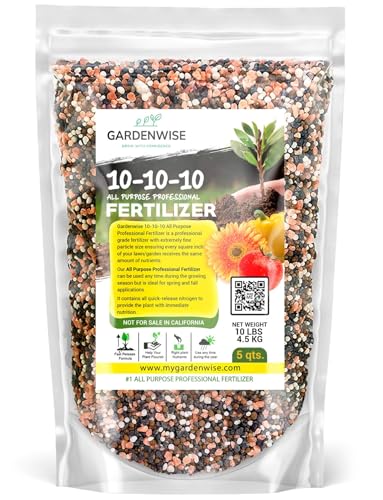
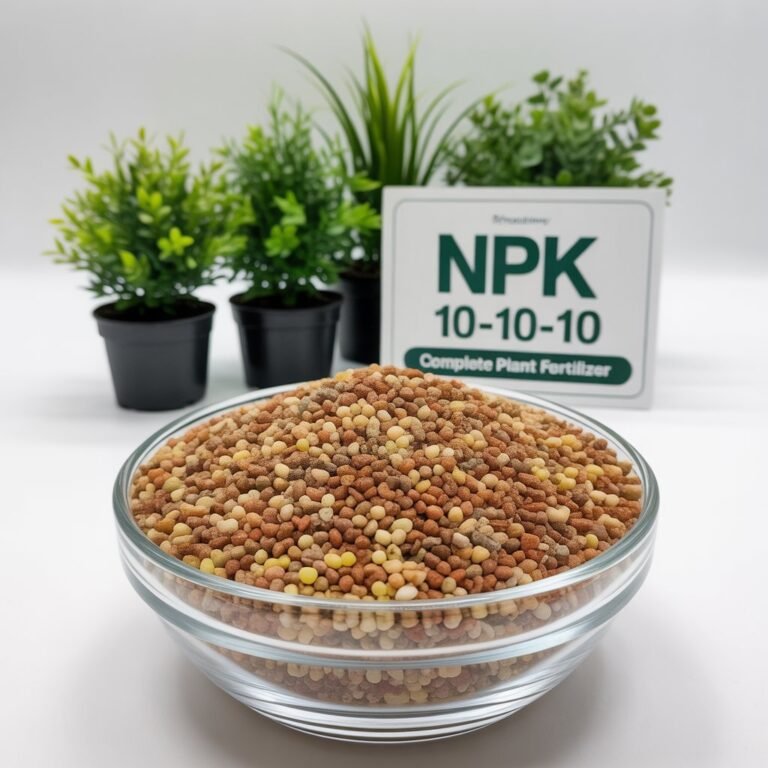
- 🌿 Balanced 10-10-10 Granular Fertilizer for Outdoor & Indoor Plants: All-purpose plant food with 10% Nitrogen, 10% Phosp…
- ⏳ Slow-Release Formula for Continuous Outdoor Feeding: Provides up to 8 weeks of sustained nutrition with fewer applicat…
- 🌼 Promotes Strong Roots, Lush Growth, and Vibrant Outdoor Blooms: Phosphorus supports root health, Nitrogen fuels lush g…
2. Yellow Leaves: The Classic Nitrogen Deficiency Sign
One of the most common signs that vegetable plants need fertilizer is yellowing leaves, especially older ones near the base. This usually indicates a nitrogen deficiency.
Why It Happens:
Nitrogen fuels chlorophyll production, which gives plants their green color. When nitrogen runs out, plants redirect the remaining supply to new growth, leaving older leaves pale or yellow.
Vegetables Often Affected:
How to Fix It:
Apply a nitrogen-rich fertilizer like fish emulsion, compost tea, or a 10-5-5 mix. For quick recovery, use a liquid fertilizer that absorbs through leaves and roots.
3. Purple or Reddish Leaves: A Phosphorus Deficiency Warning
When leaves turn purple or reddish, especially in cool weather, it’s a telltale sign of phosphorus deficiency. Phosphorus supports strong roots and flowering, and without it, plants can’t grow properly.
Why It Happens:
Cold soil or poor drainage can block phosphorus absorption. Young seedlings in early spring are especially vulnerable.
Vegetables Often Affected:
How to Fix It:
Use bone meal, rock phosphate, or a fertilizer with a higher middle number (like 5-10-10). Make sure soil stays warm and well-drained for better phosphorus uptake.
4. Yellow or Brown Leaf Edges: Potassium Deficiency
If your plant leaves have yellow or brown edges while the centers stay green, that’s a potassium deficiency, one of the most overlooked signs that vegetable plants need fertilizer.
Why It Happens:
Potassium regulates water movement and strengthens cell walls. Without enough, leaf edges dry out, and fruit quality drops.
Vegetables Often Affected:
How to Fix It:
Add wood ash, kelp meal, or potassium sulfate. Switch to a fertilizer labeled 5-5-10 during flowering or fruiting for better production.
5. Pale or Stunted Growth: General Nutrient Deficiency
If all your plants look weak, pale, or undersized, it’s likely your soil is exhausted overall. This is common after continuous planting without adding compost or fertilizer.
Why It Happens:
Over time, crops remove nutrients faster than they’re replaced. Without intervention, soil becomes nutrient-poor and compacted.
Vegetables Often Affected:
- Leafy greens
- Root crops
- Fruiting vegetables
How to Fix It:
Apply a balanced fertilizer such as 10-10-10 or enrich the soil with compost and aged manure. Consider crop rotation to reduce nutrient strain.
6. Weak Stems or Wilting Despite Watering
When plants wilt even though they’re well-watered, the problem might not be water; it’s often nutrient imbalance, especially low potassium or calcium.
Why It Happens:
Potassium strengthens stems, and calcium supports cell structure. Without them, plants can’t move water efficiently through tissues.
Vegetables Often Affected:
How to Fix It:
Feed your plants a calcium-rich supplement (like crushed eggshells or dolomite lime) and a balanced fertilizer that includes potassium.
7. Blossom End Rot: A Calcium Deficiency Problem
Blossom end rot is a heartbreaking sign that your tomatoes or peppers need help. You’ll see dark, sunken spots at the bottom of the fruit, a clear calcium deficiency symptom.
Why It Happens:
Calcium isn’t reaching the fruit due to irregular watering, pH imbalance, or poor soil nutrition.
Vegetables Often Affected:
How to Fix It:
Add crushed eggshells, bone meal, or a calcium foliar spray. Keep soil moisture consistent to help calcium move up through the plant.
8. Poor Flowering or No Fruit Production
If your vegetable plants grow well but don’t flower or set fruit, they may have too much nitrogen or not enough phosphorus and potassium.
Why It Happens:
Excess nitrogen promotes leafy growth instead of blooms. A lack of phosphorus and potassium limits flower and fruit development.
Vegetables Often Affected:
How to Fix It:
Switch to a low-nitrogen, high-phosphorus fertilizer such as 5-10-10. Ensure your plants receive 6–8 hours of sunlight daily.
9. Discolored or Misshapen Leaves: Micronutrient Deficiencies
Sometimes plants show strange leaf symptoms like twisted shapes or yellow spots, even when major nutrients are fine. This usually means a micronutrient deficiency (like iron, magnesium, or zinc).
Why It Happens:
Micronutrients are essential in small amounts but often get locked out by imbalanced soil pH.
Vegetables Often Affected:
- Tomatoes (iron deficiency causes yellowing between veins)
- Beans (zinc deficiency leads to curled leaves)
- Spinach (magnesium deficiency causes pale patches)
How to Fix It:
Use a liquid micronutrient mix or compost tea. Maintain soil pH around 6.0–7.0 for best nutrient availability.
10. Slow or Uneven Growth Across the Garden
If some plants thrive while others struggle, you might be dealing with uneven fertilizer distribution or varying soil fertility levels.
Why It Happens:
Nutrients don’t always spread evenly through soil, especially in large or compacted beds. Roots in poor areas may lack access to nutrients.
How to Fix It:
Top-dress your garden with compost or apply a slow-release granular fertilizer evenly. Rotate crops each season to balance soil nutrients.
11. How to Test Soil Before Fertilizing
Guessing rarely works. The best way to know when and how to fertilize is to test your soil.
Steps to Test Soil:
- Collect soil samples from several spots in your garden.
- Mix them and send them to a local lab, or use a home soil test kit.
- Check for pH, nitrogen, phosphorus, and potassium levels.
- Adjust fertilizer type and quantity based on the results.
Pro Tip:
A soil pH between 6.0 and 7.0 ensures that most nutrients remain available to plants.

- 3 in-1 Soil Test Kit : This soil tester has upgraded functions, which can easily test soil moisture, soil PH and fertili…
- Sensitive and High-Quality: The soil ph test kit adopts a high-quality single-probe design, which causes less damage to …
- Easy to read: The plant water meter features a large and clear dial for easier reading. The moisture meter for outdoor p…
12. Organic vs. Synthetic Fertilizers: Which Should You Use?
When you recognize the signs that vegetable plants need fertilizer, you’ll face a choice: go organic or synthetic.
Organic Fertilizers:
- Derived from natural sources (compost, bone meal, kelp).
- Improve soil structure and microbial life.
- Release nutrients slowly and steadily.
Synthetic Fertilizers:
- Provide fast, precise nutrient doses.
- Ideal for quick fixes.
- It can lead to soil depletion if overused.
Best Approach:
Use organic fertilizers regularly for soil health and supplement with synthetic fertilizers only when plants show urgent deficiency signs.
13. Timing Your Fertilizer Applications
Fertilizing at the right time ensures your plants absorb nutrients efficiently.
General Guidelines:
- At Planting, Use balanced fertilizer or compost for root establishment.
- Mid-Growth: Apply nitrogen-rich fertilizer once plants are established.
- Before Flowering/Fruiting: Switch to higher phosphorus and potassium blends.
- Late Season: Stop heavy fertilization to allow fruits to ripen.
Avoid:
Applying fertilizer during hot, dry periods or right before heavy rain, as nutrients may burn roots or wash away.
14. Simple Homemade Fertilizers to Fix Deficiencies
If you prefer natural remedies, try these easy homemade fertilizers:
- Banana Peel Water: High in potassium; great for fruiting plants.
- Eggshell Powder: Adds calcium and prevents blossom end rot.
- Coffee Grounds: Boosts nitrogen for leafy greens.
- Compost Tea: Provides balanced nutrients and beneficial microbes.
- Wood Ash: Supplies potassium and raises pH slightly.
Homemade fertilizers are safe, affordable, and environmentally friendly options for correcting nutrient problems quickly.
FAQs About Fertilizer Deficiencies in Vegetables
1. How do I know if my vegetables need fertilizer or just water?
If plants wilt but don’t recover after watering, they likely have nutrient issues. Yellowing or slow growth means they need fertilizer.
2. Can too much fertilizer harm my plants?
Yes. Over-fertilization burns roots, damages leaves, and can even kill plants. Always follow the product’s directions carefully.
3. How often should I fertilize my vegetable garden?
For most vegetables, every 3–4 weeks with liquid fertilizer or every 6–8 weeks with granular fertilizer works best.
4. What’s the best fertilizer for vegetables overall?
A balanced fertilizer (10-10-10) suits most crops, but adjust ratios depending on your plant type: leafy, root, or fruiting.
5. Is compost enough instead of fertilizer?
Compost improves soil but may not provide enough nutrients for heavy feeders like tomatoes. Combine compost with targeted fertilizers for best results.
Conclusion
Generally, make sure you do these things correctly: observe your plants often, respond quickly to deficiency signs, and fertilize wisely. If you can’t figure out the exact issue, ask your local nursery or garden center for help.
Learning to recognize the signs that vegetable plants need fertilizer helps you act before it’s too late. With the right nutrients, your garden will stay green, your vegetables will grow stronger, and your harvests will be more rewarding every season.